
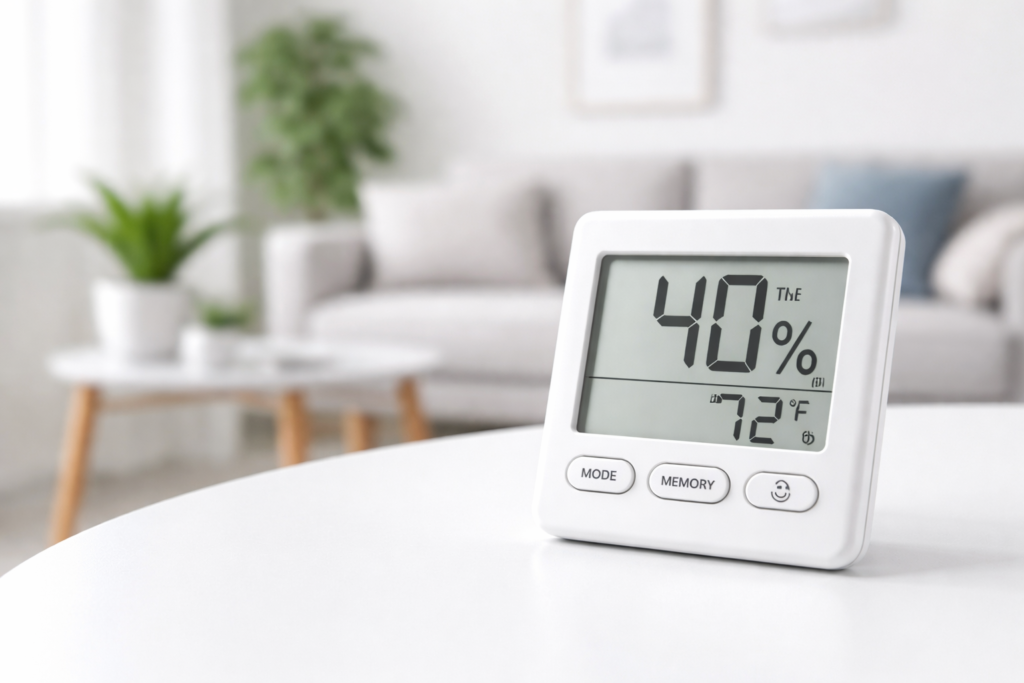
In most homes, 40% humidity is usually considered safe and comfortable. However, depending on the season, indoor temperature, and personal sensitivity, it may start to feel dry for some people inside the house.</p>
Is 40 humidity too low? In most homes, 40% humidity is usually considered safe and comfortable. However, depending on the season, indoor temperature, and personal sensitivity, it may start to feel dry for some people inside the house.
In most cases, 40% humidity is actually within the recommended indoor range. However, depending on the season, temperature, and personal comfort, it may start to feel dry for some people.
Understanding the ideal humidity level indoors helps you maintain a healthy environment and avoid issues caused by air that is either too dry or too humid.
What Is the Ideal Indoor Humidity Level?
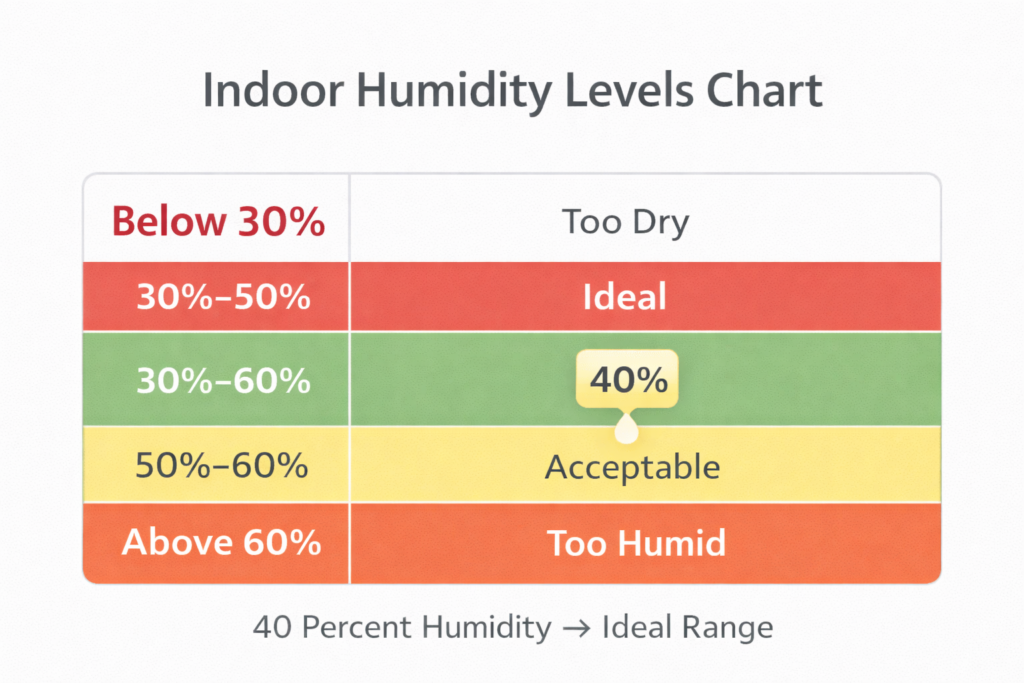
Most experts recommend keeping indoor humidity between 30% and 50%. This range provides the best balance between comfort, health, and preventing mold growth.
- Below 30% → Too dry
- 30%–50% → Ideal range
- 50%–60% → Acceptable but monitor
- Above 60% → Higher mold risk
At 40% humidity, your home is usually in the middle of the ideal range, which means the air should feel comfortable for most people.
Most experts recommend keeping indoor humidity between 30% and 50%. According to the EPA, this range helps reduce mold risk while maintaining comfort indoors.
If you want a more complete explanation of the recommended range, read our guide on the ideal indoor humidity level for homes.
Is 40 Humidity Too Low Indoors?
In most homes, 40% humidity is not too low. In fact, it is often considered a healthy level, especially during colder months when humidity naturally drops.
However, some people may start to notice dryness when humidity falls near 40%, particularly in winter when heating systems remove moisture from the air.
Low humidity can make indoor air feel dry, which may cause discomfort even if the level is still technically within the recommended range.
If you are also comparing higher humidity levels, see our article on whether 60% humidity is too high indoors.
Signs That Humidity May Be Too Low
Even if humidity is around 40%, certain symptoms may indicate that the air in your home is too dry.
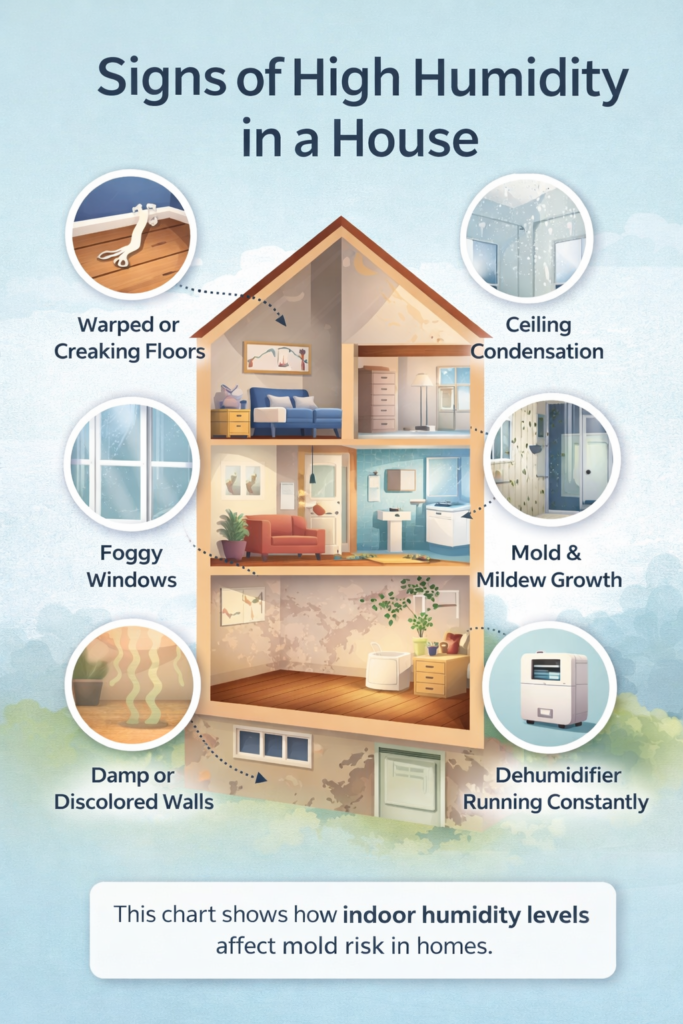
- Dry skin or irritated eyes
- Sore throat or dry nose
- Static electricity
- Cracking wood furniture or floors
- Dry plants or soil
- Increased dust in the air
These signs are more common during winter because cold outdoor air holds less moisture, and heating systems can reduce indoor humidity even further.
You can also check our guide on whether mold can grow at 55% humidity.
Why Humidity Drops in Winter
Indoor humidity often falls below normal levels during winter. When cold air enters the home and gets heated, the relative humidity decreases.
This means that even if outdoor air feels damp, indoor air may become dry after being warmed by heating systems.
Because of this, many homes have humidity levels between 30% and 40% in winter, which is usually normal but may feel dry for some people.
If you are wondering whether 40 humidity is too low in winter, the answer depends on comfort, heating, and whether you notice signs of dry air such as static electricity or irritated skin.
How to Measure Indoor Humidity
The easiest way to know if humidity is too low is by using a hygrometer. A hygrometer is a small device that measures the amount of moisture in the air.
Digital hygrometers are inexpensive and can help you monitor humidity in different rooms of your home.
Checking humidity regularly allows you to adjust ventilation, heating, or humidifiers to maintain a comfortable level.
Indoor Humidity Levels Guide
| Humidity Level | Comfort Level | Possible Problems |
|---|---|---|
| Below 30% | Too dry | Dry skin, static electricity, breathing discomfort |
| 30%–50% | Ideal | Comfortable and safe for most homes |
| 50%–60% | Acceptable | Monitor for mold or condensation |
| Above 60% | Too humid | Mold growth, condensation, musty smells |
How to Increase Humidity if Air Feels Too Dry
If your home feels uncomfortable at 40% humidity or lower, you can raise humidity safely using simple methods.
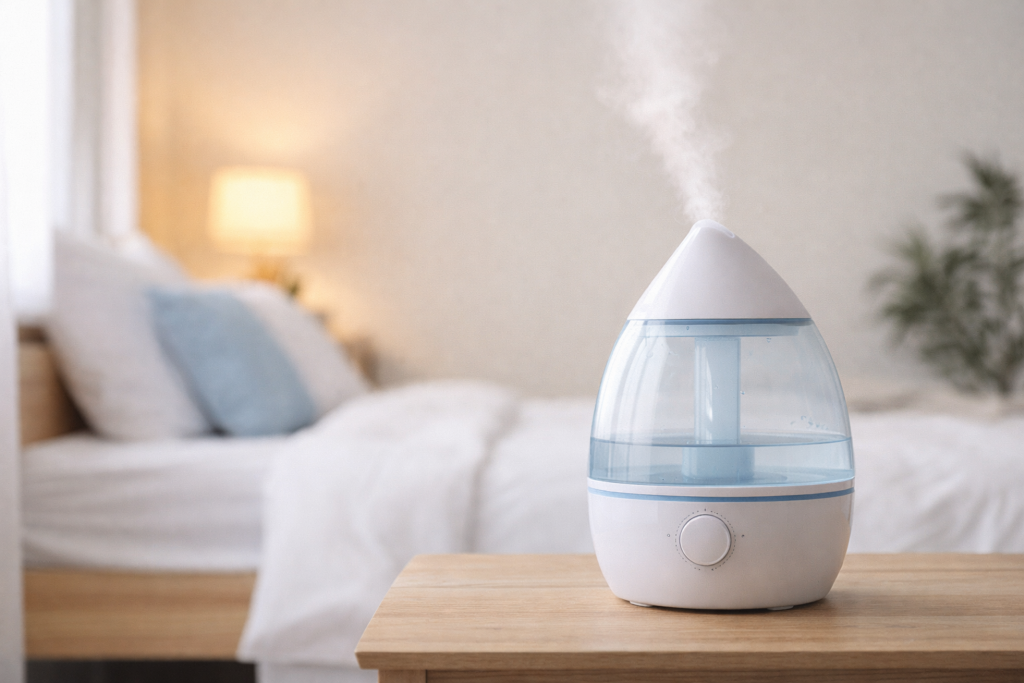
Use a humidifier
A humidifier adds moisture to the air and can help keep indoor humidity within the recommended range.
Add indoor plants
Plants release moisture through a natural process called transpiration, which can slightly increase humidity.
Reduce excessive heating
High indoor temperatures can make air feel drier. Lowering the thermostat slightly may help maintain better humidity.
Use ventilation wisely
Opening windows in very cold weather can reduce indoor humidity even more, so it is important to balance fresh air with comfort.
Does 40% Humidity Feel Dry Indoors?
Even though 40% humidity is within the recommended range, some people may still feel that the air is dry. Comfort levels can vary depending on temperature, personal sensitivity, and the season.
During winter, indoor heating reduces moisture in the air, which can make 40% humidity feel drier than it actually is. In warmer months, the same humidity level may feel perfectly comfortable.
People who have allergies, sensitive skin, or respiratory conditions may notice dryness sooner than others.
If indoor air feels uncomfortable, increasing humidity slightly to around 45% may improve comfort without increasing mold risk.
Is 40% Humidity Healthy?
For most people, 40% humidity is considered healthy and comfortable. It helps prevent mold growth while still keeping the air from feeling too dry.
Some individuals may prefer slightly higher humidity, especially during winter, but staying within the 30%–50% range is generally recommended.
Can Low Humidity Damage Your Home?
Air that is too dry can affect more than comfort. Low humidity levels can also cause damage to parts of your home over time.
Wood floors, furniture, and doors may shrink when the air becomes too dry. This can lead to cracks, gaps, or creaking sounds.
Paint and drywall may also show signs of dryness, especially during long winters with constant heating.
Keeping humidity close to 40%–50% helps protect both your home and your health.
Is 40% humidity good for sleeping?
Yes, 40% humidity is usually comfortable for sleeping. It keeps the air from feeling too dry while still preventing mold growth.
Is 40% humidity too low in winter?
In winter, 40% humidity is often normal because heating systems dry the air. Some people may prefer slightly higher humidity for comfort.
Can humidity be too low indoors?
Yes. When humidity drops below 30%, air may feel dry and uncomfortable, and it can cause irritation to skin, throat, and eyes.
What humidity level is best for a house?
The best indoor humidity level is usually between 30% and 50%, depending on the season and climate.
Final Thoughts
So, is 40% humidity too low in a house? In most cases, no. This level is usually within the ideal indoor range and is considered safe for both comfort and health.
If the air feels dry, small adjustments like using a humidifier or monitoring humidity more closely can help maintain a better balance indoors.