Humidity Monitoring

Learn how to measure indoor humidity accurately using hygrometers, smart sensors, and humidity monitors. Find the best tools to keep your home’s moisture levels under control.

How to Read a Hygrometer Correctly
Humidity Monitoring

How to Read a Hygrometer Correctly

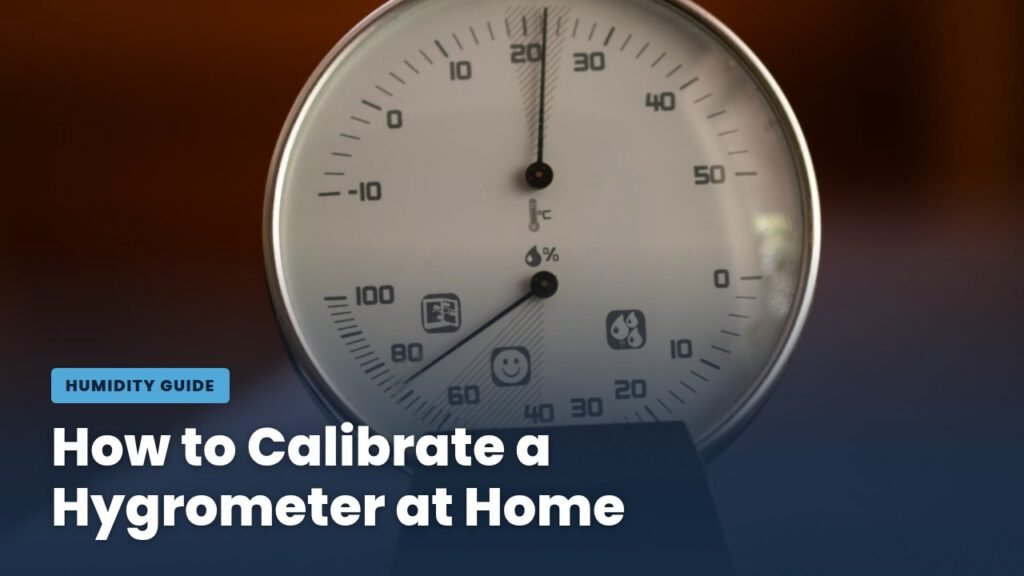
To read a hygrometer correctly takes more than glancing at the number: where you place it, how long you wait for the reading to settle, and how recently it was calibrated all affect whether that number reflects the actual humidity in your room. A hygrometer that has never been checked against a known reference can […]


How to choose the right hygrometer for your home
Humidity Monitoring

How to Choose a Hygrometer for Your Home

Knowing how to choose a hygrometer starts with the price range: they run from $8 impulse-buy gadgets to $150 data-logging sensors, and the price difference doesn’t always track with accuracy. Every guide on this site keeps coming back to the same instruction: check a hygrometer. It’s the one piece of equipment that turns “the air

Humidity Monitoring

Is 60% Humidity Too High Indoors?

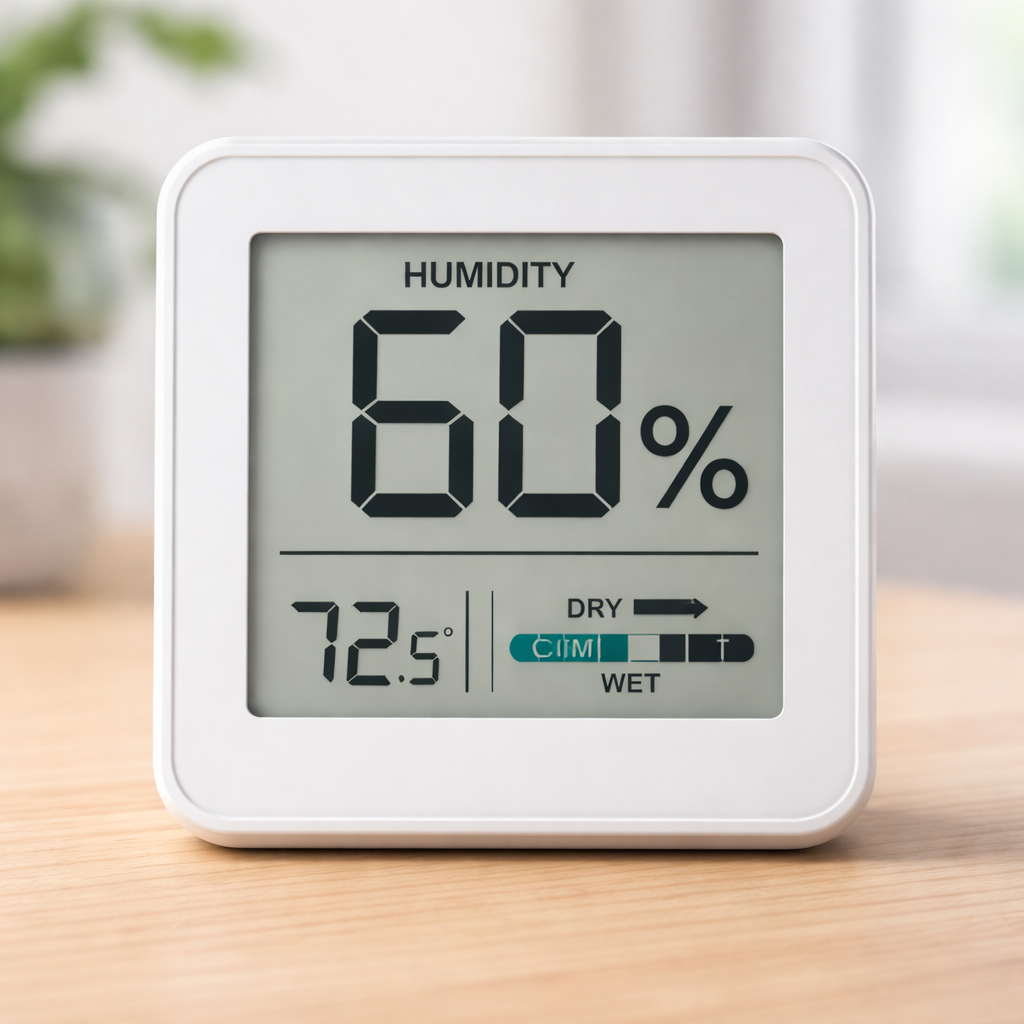
Is 60% humidity too high indoors? If your indoor humidity monitor reads 60%, you might be wondering whether that number is safe — or if mold is about to become a problem. Short answer: 60% humidity is slightly above the recommended indoor range and may increase mold risk if it remains elevated over time. While

humidity levels by room
Humidity Monitoring

Humidity Levels by Room: Ideal Ranges Explained

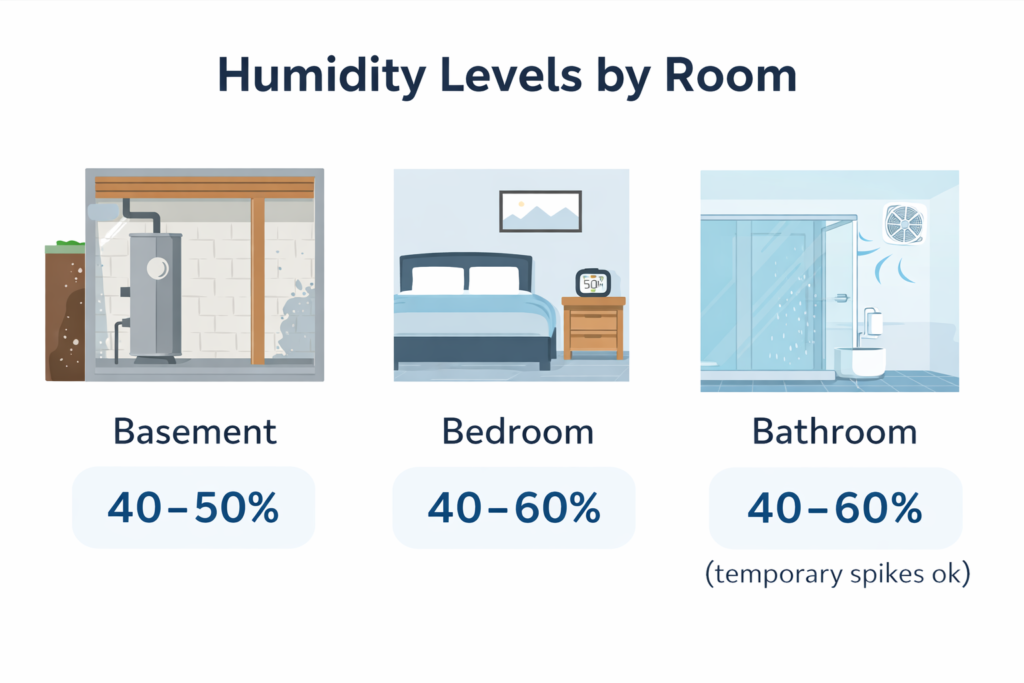
Not every room in your home should have the exact same humidity level. Basements, bedrooms, and bathrooms all behave differently when it comes to moisture. Temperature, ventilation, daily use, and exposure to outdoor air all influence humidity patterns. Understanding humidity levels by room allows you to prevent mold growth, structural damage, poor indoor air quality,

Scroll to Top