
Smart hygrometers vs basic ones comes down mostly to how often you check the room. A smart hygrometer is worth the upgrade mainly for rooms you do not check every day, like a basement, wine cellar, or vacation home, where app alerts can flag a humidity spike before it becomes a mold problem. For a bedroom or living room you already glance at daily, a basic hygrometer that costs a few dollars does the same core job just as accurately, and the smart features mostly go unused.
What “Smart” Actually Adds
- Remote monitoring via a phone app, so you can check the reading without physically walking into the room.
- Push notifications when humidity or temperature crosses a threshold you set, useful for catching problems early.
- Data logging over time, showing trends across days, weeks, or months rather than just a single current number.
- Smart home integration with platforms that can trigger a dehumidifier, humidifier, or fan automatically based on the reading.
- Some models include a built-in wireless thermometer and multi-room support from a single app.
What a Basic Hygrometer Still Does Well
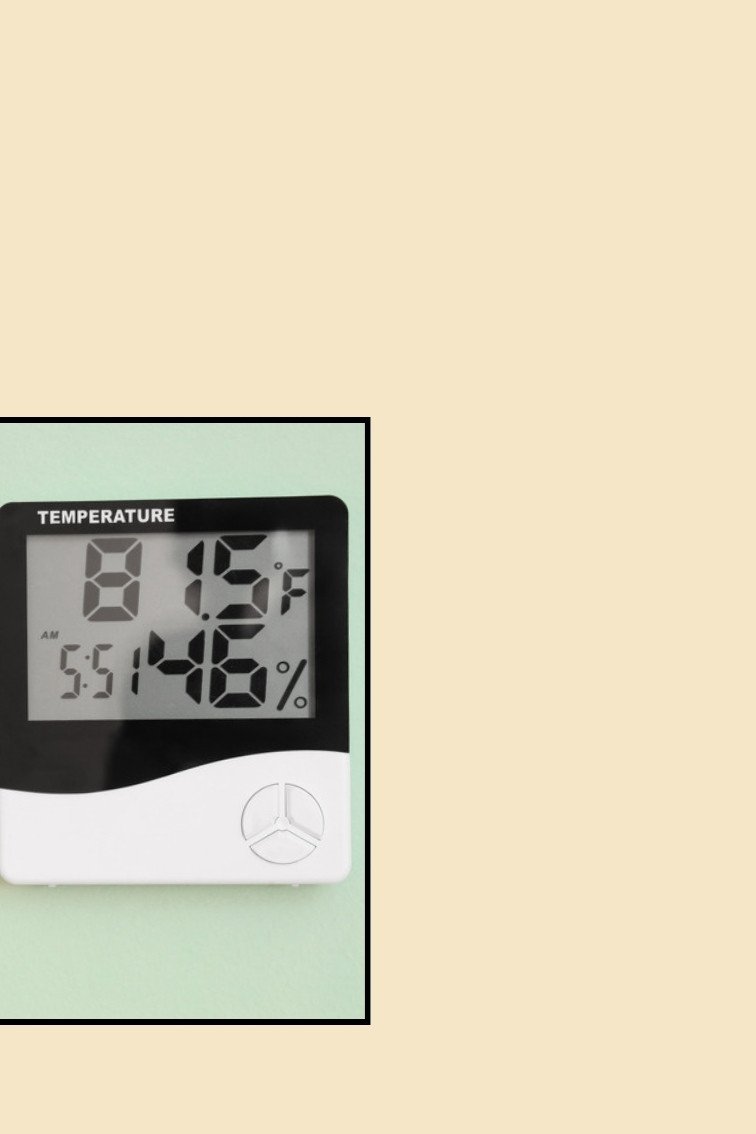
A basic digital or analog hygrometer gives you a real-time humidity reading at a glance, and once properly calibrated, it is just as accurate as a smart model, since the sensor technology inside both types is often similar or identical. The difference is entirely in how the data reaches you and what happens with it afterward, not in the fundamental measurement itself.
Where the Smart Upgrade Actually Pays Off
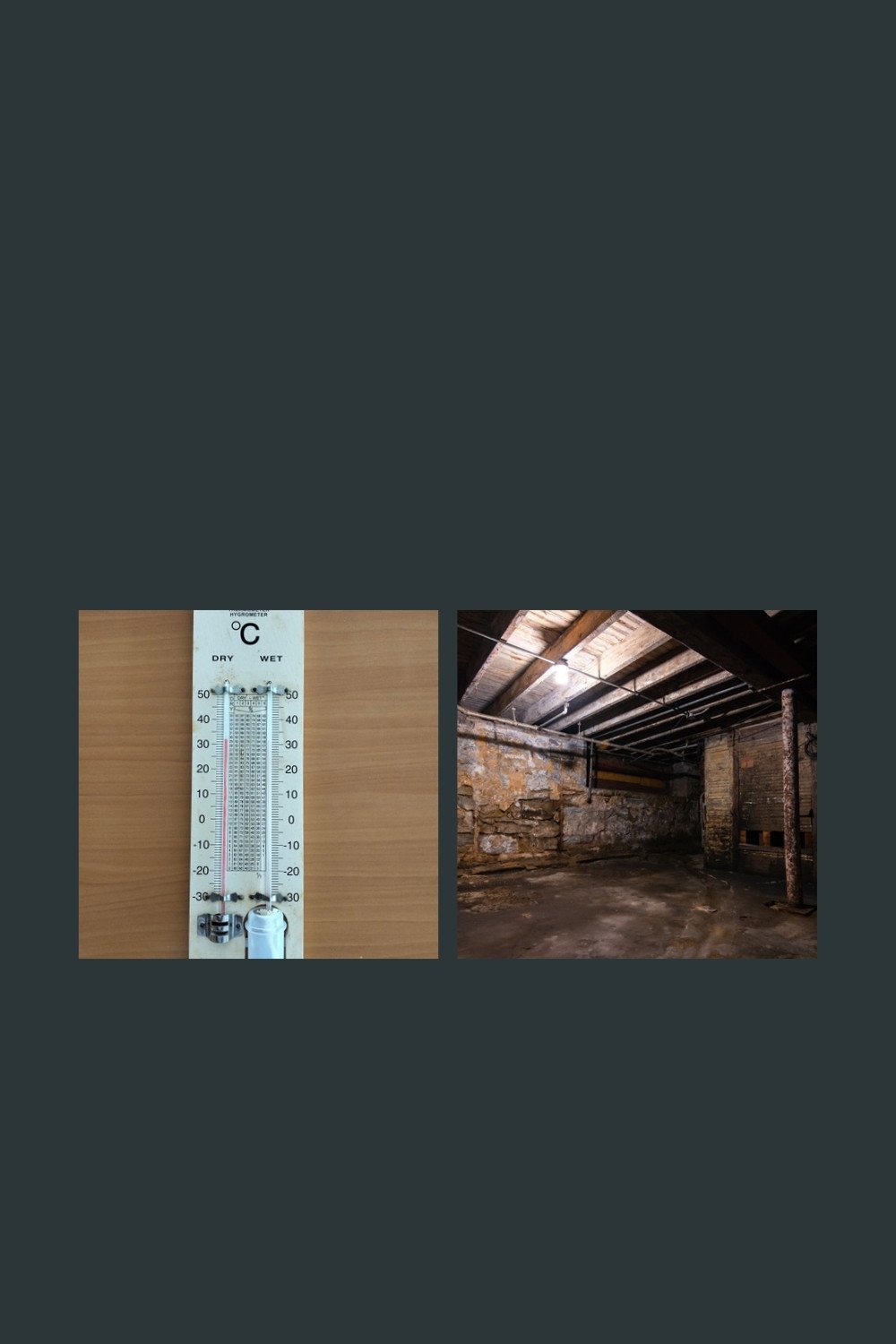
- Basements and crawl spaces you do not visit daily, where a slow humidity creep toward mold-friendly conditions could go unnoticed for weeks.
- Vacation homes or rental properties, where remote alerts let you respond to a problem before returning in person.
- Wine cellars, humidors, or instrument storage rooms, where precise long-term tracking and alerts protect an investment.
- Homes already using smart thermostats or automated dehumidifiers, where the hygrometer can trigger other devices automatically.
Accuracy: Is Smart Actually More Accurate?
Not inherently. The sensor measuring humidity inside a smart hygrometer is often the same type of capacitive or resistive sensor found in a basic model, so accuracy comes down to the quality of that individual sensor and how well it is calibrated, not whether the device connects to WiFi. A cheap smart hygrometer with a poor sensor can be less accurate than a well-calibrated basic one, so it is worth checking reviews for sensor accuracy specifically rather than assuming “smart” means “more precise.” Independent testing from outlets like This Old House regularly finds accuracy variance among both smart and basic models, reinforcing that connectivity and accuracy are separate specs. See our guide on ideal humidity levels for the target range to calibrate against that apply to either type.
A Quick Decision Checklist
- Do you check this room less than once a day? Smart is more useful here.
- Is this a space where a problem could go unnoticed for a while, like a basement or storage room? Smart alerts help.
- Do you already have smart home devices you would want the hygrometer to trigger? Smart integration adds value.
- Is this a room you already glance at multiple times a day? A basic model is enough.
- Is budget the main concern and the space is low-risk? A basic model is the practical choice.
Battery Life and Upkeep
Basic hygrometers, especially analog dial models, often run for a year or more on a single small battery, or need no battery at all for purely mechanical designs. Smart hygrometers with WiFi or Bluetooth connectivity tend to draw more power for constant connectivity and app syncing, which can mean more frequent battery changes or, for hardwired smart home sensors, a permanent power connection. That is a minor point compared to the core smart-versus-basic decision, but worth factoring in for a hygrometer placed somewhere batteries are inconvenient to replace, like a high shelf or a crawl space. Basements are one of the most common places both types get installed, and keeping that space in a safe range matters for reasons beyond convenience, per the EPA’s moisture control guidance on preventing mold in below-grade spaces.
Cost Difference
Basic hygrometers, whether analog dial or simple digital display, typically cost only a few dollars to around 15-20 dollars. Smart hygrometers with app connectivity, alerts, and data logging usually run higher, sometimes several times the cost of a basic unit, and can include an optional subscription for extended data history on some platforms. That price gap is worth paying only if you will actually use the remote monitoring, alerts, or logging features regularly, not just as a nice-to-have.
Where a Basic Model Is the Better Choice
If you are placing a hygrometer somewhere you pass by regularly, like a kitchen counter, nightstand, or living room shelf, checking it visually costs nothing extra and a basic model handles that perfectly well. Buying a smart hygrometer for a room you already see multiple times a day mostly adds cost without adding real benefit, since the app and alerts solve a problem you do not have in that space.
Frequently Asked Questions
Related reading: Why Does My Hygrometer Show Different Readings in Different Rooms? and How Accurate Are Phone Weather App Humidity Readings?.
Is a smart hygrometer more accurate than a basic one?
Not necessarily. Accuracy depends on the quality of the sensor inside the device, not whether it connects to an app. A well-calibrated basic hygrometer can be just as accurate as a smart one.
Where is a smart hygrometer most worth the extra cost?
Rooms you do not check daily, like basements, crawl spaces, vacation homes, or wine cellars, benefit most from remote alerts and data logging that a smart hygrometer provides.
Do smart hygrometers need WiFi to work?
Most do, or at minimum Bluetooth to sync with a phone app. Some models can log data locally without a live connection but lose real-time remote alerts without one.
Is it worth buying a smart hygrometer just for one room I check often?
Usually not. If you already glance at the space multiple times a day, a basic hygrometer provides the same core reading without the added cost of connectivity features you will not use.
Do smart hygrometers require a subscription?
Some do for extended data history or advanced alerts, though many offer full functionality for free with only basic logging limits. Check the specific model before buying if this matters to you.
Bottom Line
A smart hygrometer earns its higher price in spaces you do not check every day, where remote alerts and data logging catch problems before they grow. For rooms you already see regularly, a basic hygrometer measures humidity just as accurately for a fraction of the cost. Match the type to how often you visit the room, not to which one sounds more advanced.