
Signs Your Home Has Low Humidity
Learn the physical signs your home has low humidity — dry skin, static, nosebleeds — plus how to confirm it and what to do about it.
Struggling with high humidity, condensation, mold, or musty smells? Discover the most common indoor humidity problems and proven solutions to fix them fast.
Learn the physical signs your home has low humidity — dry skin, static, nosebleeds — plus how to confirm it and what to do about it.
50% relative humidity sits at the top of the range EPA and building scientists call ideal. Here’s when it’s fine, and when it isn’t.
Humidity affects your skin and hair more than almost any other environmental factor in your home — often more than the products you put on them. Too little moisture in the air and your skin cracks while your hair turns staticky; too much and you’re dealing with breakouts and frizz. The fix isn’t a new
You feel humid even with the AC on for one of a handful of reasons, and almost all of them trace back to the same root cause: your AC is cooling the air without running long enough to actually pull moisture out of it. Temperature and humidity are two separate jobs for the same machine,

Fog on the inside of your windows every morning isn’t a window problem — it’s a humidity problem. When warm indoor air touches the cold glass, it cools past its dew point and drops the moisture it was carrying right onto the pane. The window is just the messenger. This guide covers why condensation forms
Mold in bathrooms starts when relative humidity sits above 60% for a day or two — and every hot shower pushes the room well past that line. The fix isn’t complicated: keep bathroom humidity below 50% most of the time, and you starve mold before it gets a foothold on grout, caulk, or drywall. This
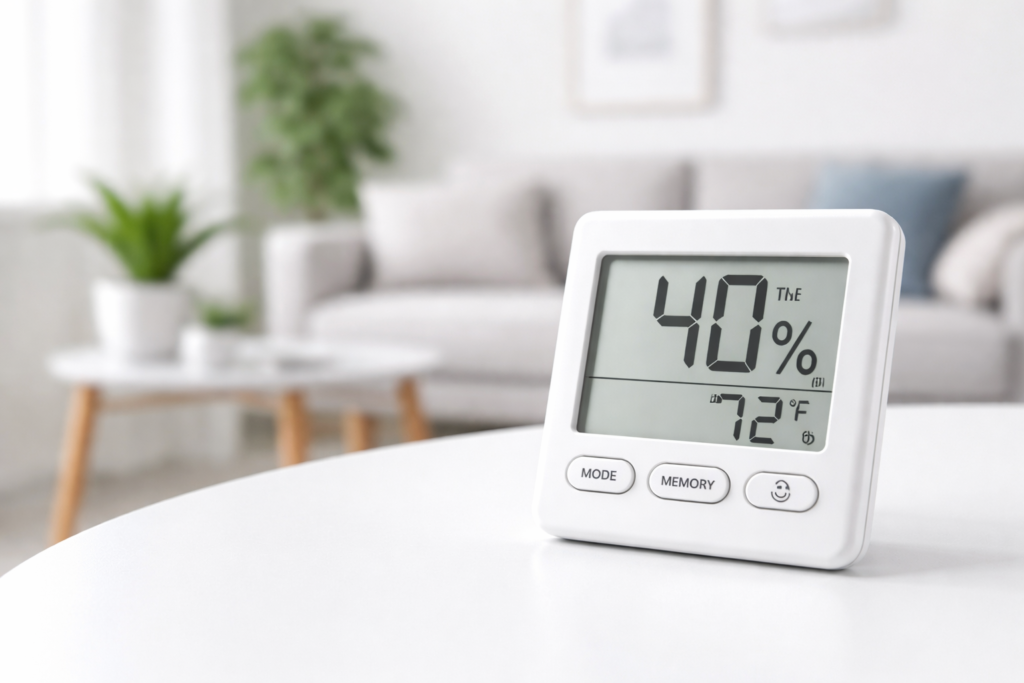
Is 40% humidity too low? In most homes, 40% humidity is usually considered safe and comfortable. However, depending on the season, indoor temperature, and personal sensitivity, it may start to feel dry for some people inside the house. In most cases, 40% humidity is actually within the recommended indoor range. However, depending on the season,
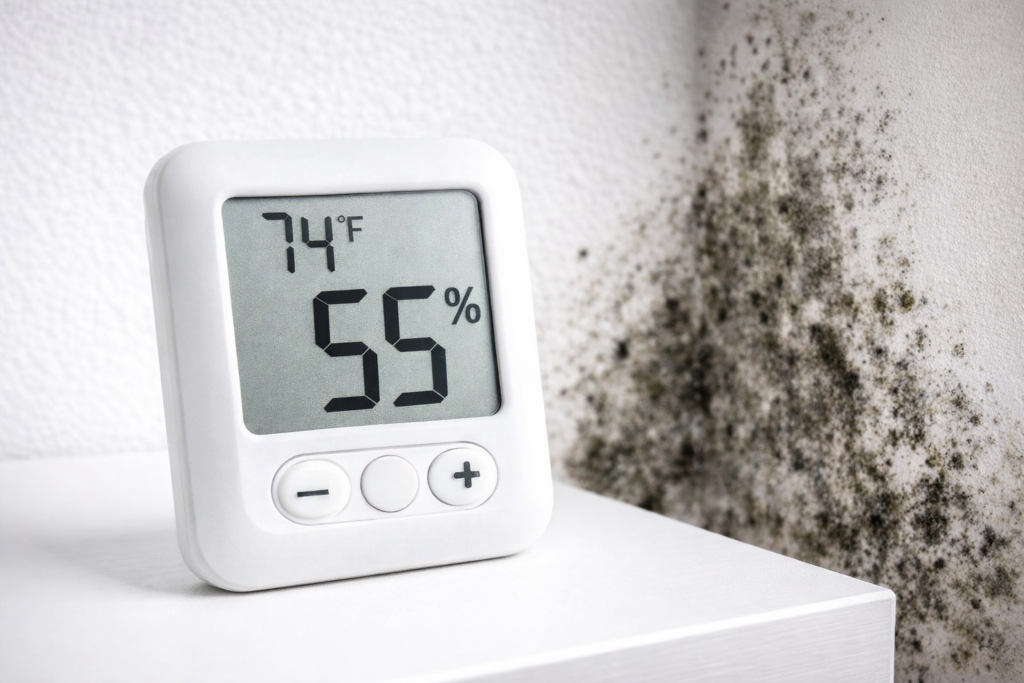
Can mold grow at 55% humidity? This is a common question for homeowners trying to prevent mold and moisture problems indoors. While mold usually becomes more likely above 60% humidity, levels around 55% can still create conditions where mold spores begin to grow if moisture accumulates. The short answer is: mold growth becomes possible around
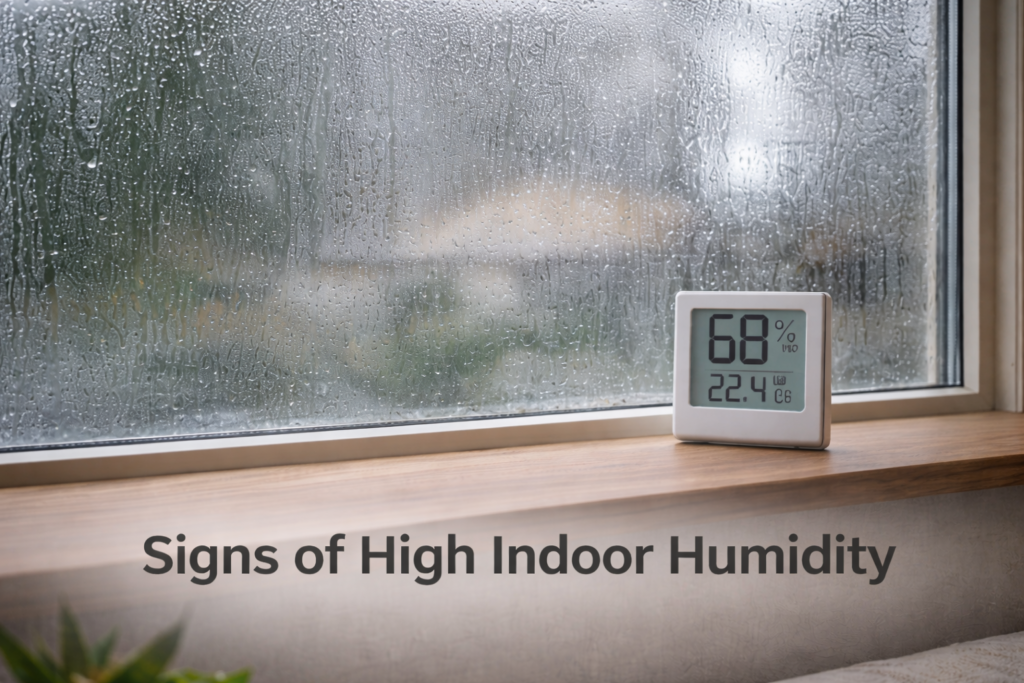
High humidity rarely becomes a problem overnight. In most homes, excess moisture builds gradually — and before serious damage appears, there are subtle but clear warning signs. If indoor humidity consistently rises above 60%, your home may already be showing early symptoms. Learning to recognize the signs your home has high humidity allows you to
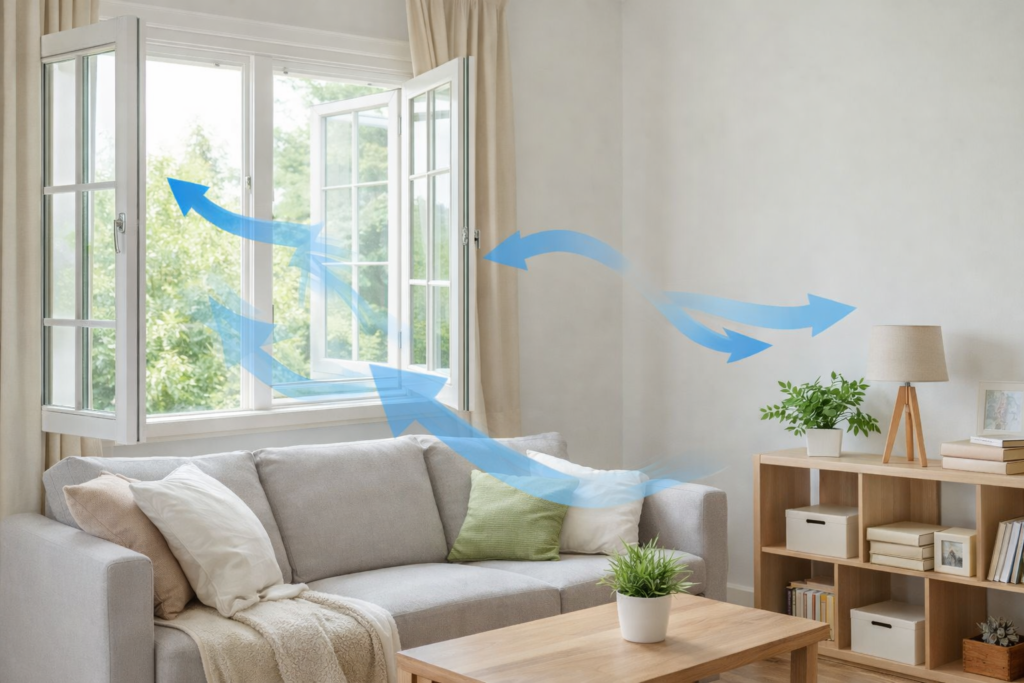
In this practical guide, we’ll show you how to reduce humidity naturally at home using simple, actionable steps. If your home feels sticky, smells musty, or your windows fog up even when it’s not cold outside, humidity levels may be too high. In this guide, you’ll learn exactly how to reduce humidity naturally using simple,