
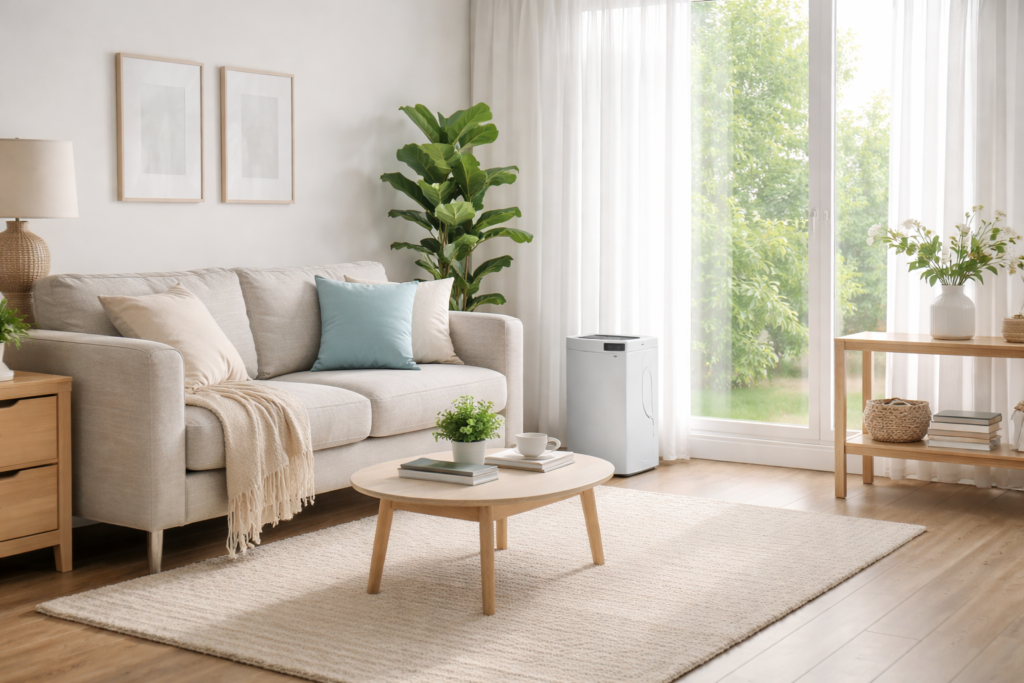
Smart Indoor Humidity Control for Healthier Homes
Clear, research-based guidance and practical product insights to help you manage moisture, prevent mold, and choose the right humidity solution for your home.
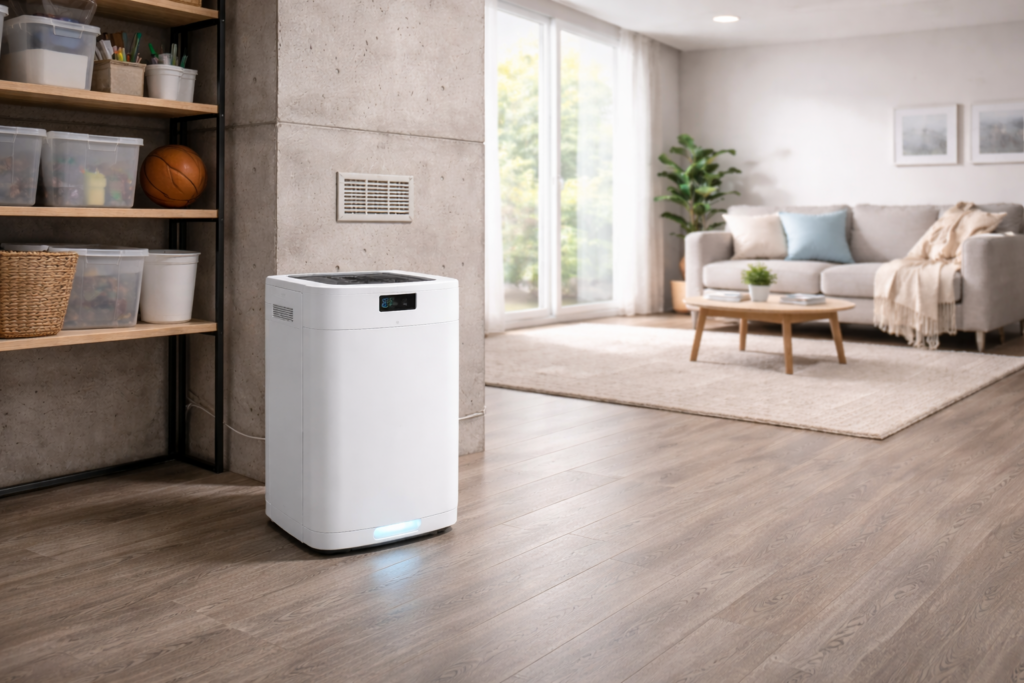
Best Dehumidifiers
Expert reviews and comparisons to help you choose the right dehumidifier for your home.
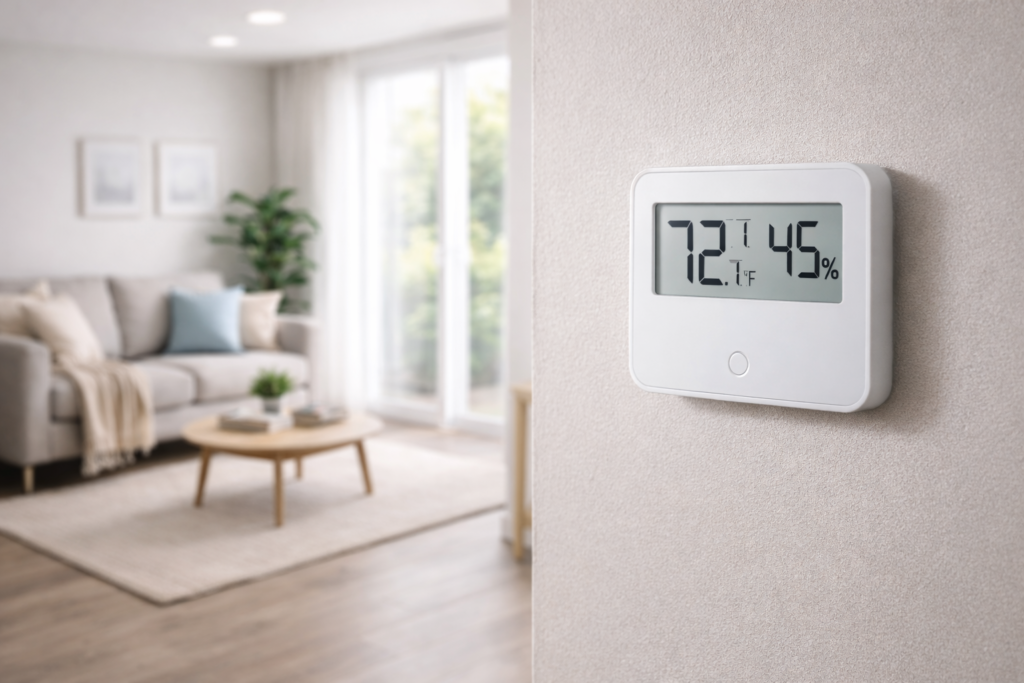
Humidity Monitoring
Learn how to measure indoor humidity levels and prevent condensation problems.
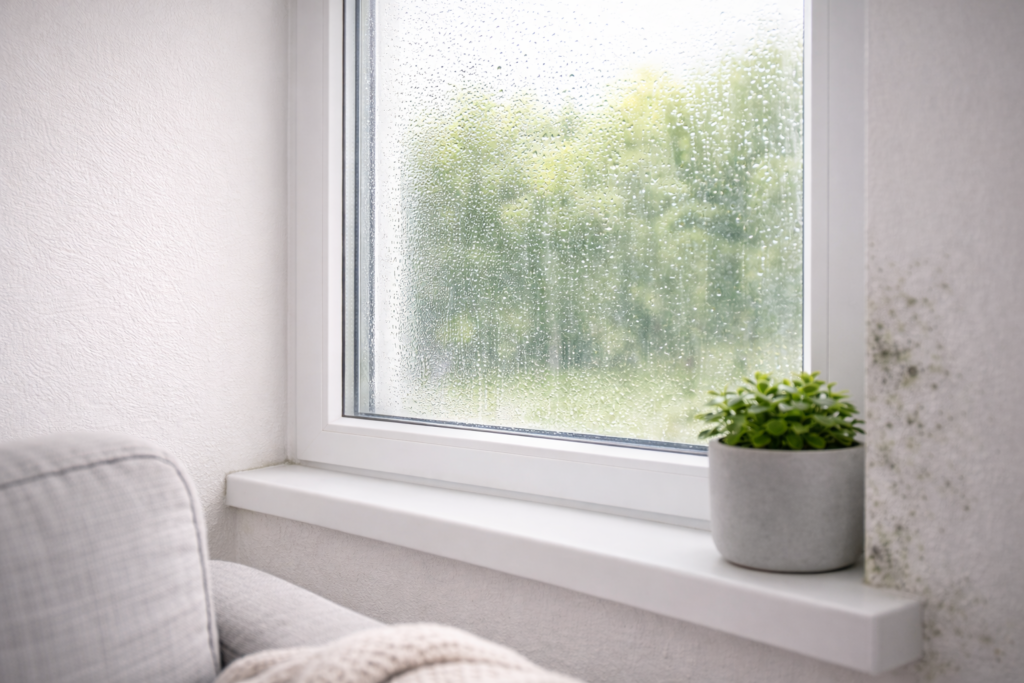
Humidity Problems
Identify common signs of moisture damage and learn how to fix them early.
Why Humidity Guide Exists
Humidity Guide was created to simplify indoor moisture management for homeowners. We focus on practical, research-based insights that help you understand humidity levels, prevent mold risks, and choose the right solutions for your environment.
This site prioritizes clarity, accuracy, and long-term indoor air health — not exaggerated product claims or unnecessary technical jargon.
Research-Driven Content
We analyze humidity science, home conditions, and product performance data to provide recommendations grounded in real-world use.
Focused on Indoor Health
Our goal is to help homeowners maintain balanced humidity levels to reduce mold risk, improve comfort, and protect indoor air quality.
Clear & Practical Guidance
We break down complex moisture topics into simple, actionable advice you can apply immediately in your home.
What Is the Ideal Humidity Level for a Home?
Indoor humidity plays a major role in comfort, air quality, and long-term home maintenance. In most cases, experts recommend keeping relative humidity between 30% and 50% throughout the year. This range helps prevent condensation, reduce the risk of mold growth, and maintain a comfortable indoor environment.
When humidity rises above 60%, moisture problems can begin to appear. You may notice condensation on windows, musty odors, or damp areas in basements and bathrooms. On the other hand, humidity levels below 30% can cause dry air discomfort, static electricity, and irritation in colder months.
Monitoring and managing humidity levels is one of the most effective ways to protect both your home and your health.
- 30–50% is the recommended indoor humidity range
- Above 60% increases the risk of moisture damage
- Below 30% may feel too dry in winter climates
- Basements typically require lower humidity levels
Start With These Guides
If you’re just getting started with indoor humidity control, these foundational guides will help you understand the basics before choosing products or making changes to your home environment.
Frequently Asked Questions About Indoor Humidity
What is the ideal indoor humidity level?
The ideal indoor humidity level for most homes is between 30% and 50% year-round. This range helps prevent condensation, reduce mold risk, and maintain comfort without creating overly dry air conditions.
Is 60% humidity too high indoors?
Yes. Indoor humidity above 60% is generally considered too high and can increase the risk of mold growth, condensation on windows, and musty odors, especially in basements and bathrooms.
Can low humidity damage a home?
Yes. Humidity levels below 30% may cause dry air discomfort, static electricity, and in some cases cracking in wood floors or furniture during colder months.
Do I need a dehumidifier year-round?
Not always. Many homeowners only require a dehumidifier during humid seasons or in specific areas like basements. Monitoring indoor humidity levels with a hygrometer is the best way to determine if one is necessary.
About Humidity Guide
Humidity Guide is an independent resource dedicated to helping homeowners understand and manage indoor moisture effectively. We focus on clear explanations, practical solutions, and research-based guidance to support healthier and more comfortable living environments.
Our content is designed to simplify complex humidity topics so you can make informed decisions before investing in equipment or making changes to your home.