
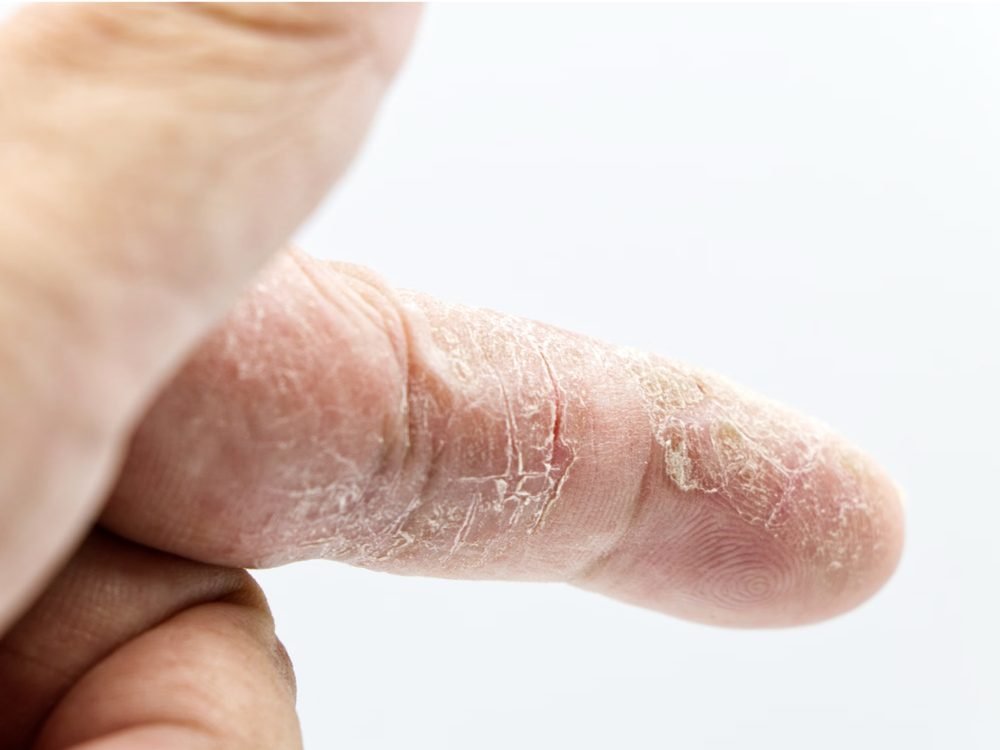
The clearest signs your home has low humidity show up on your body before they show up on a gauge: dry, flaking skin, a scratchy throat when you wake up, static shocks at every doorknob, and houseplants that need water more often than usual. If indoor air falls below roughly 30% relative humidity — the floor recommended in the EPA’s indoor air quality guidance — several of these symptoms tend to appear at once, especially once heating season starts.
Low indoor humidity isn’t just an annoyance. It’s linked to irritated airways, more frequent nosebleeds, and, according to peer-reviewed research, conditions that help respiratory viruses survive and spread more easily indoors. Catching the warning signs early lets you fix the problem before it affects your health, your home, or your wallet.
The Physical Signs Your Home Has Low Humidity
Most people notice low humidity on their skin first. Dry air pulls moisture out of your body faster than it can be replaced, and the symptoms tend to show up in a fairly predictable order as relative humidity drops.
- Dry, itchy, or flaking skin — especially on hands, elbows, and shins, even with regular moisturizer use.
- Chapped lips that crack no matter how often you apply balm.
- Static electricity — shocks from doorknobs, hair that won’t lie flat, clothes that cling out of the dryer.
- A scratchy throat or dry cough that’s worse first thing in the morning.
- Nosebleeds or a dry, irritated nose that bleeds more easily than usual.
- Cracking wood floors, furniture, or instruments as the material loses moisture and shrinks.
- Peeling wallpaper or gaps opening around window and door trim.
- Houseplants that wilt or brown at the tips faster than their watering schedule would predict.
According to the Mayo Clinic, dry indoor air “can irritate sinuses and cause bloody noses and cracked lips,” and can also make eyes feel itchy and irritate the throat. If several of these symptoms sound familiar, our guide to how humidity affects your skin and hair explains exactly why dry air causes these reactions.
How to Confirm the Signs Your Home Has Low Humidity
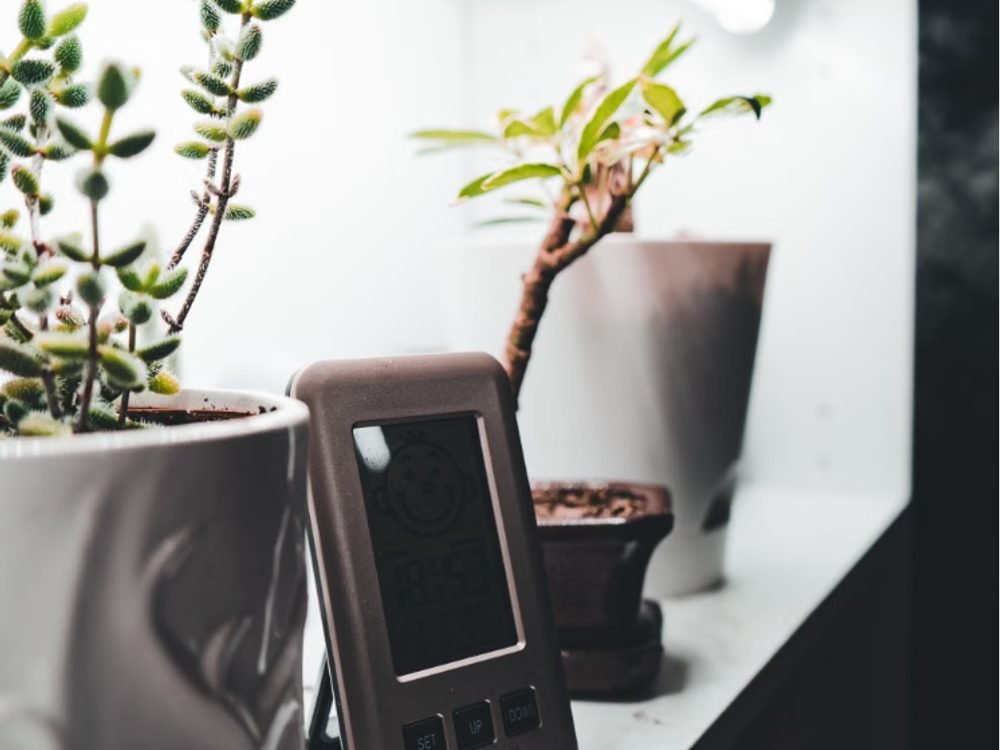
Physical symptoms are a strong hint, but the only way to know for certain is to measure. A hygrometer — a small humidity sensor that costs about the same as a coffee — reads your home’s relative humidity in minutes. The EPA and most HVAC authorities recommend keeping indoor relative humidity between 30% and 50% year-round; readings that consistently sit below 30% confirm what your skin and sinuses have already been telling you.
If you’re unsure what counts as too dry versus what’s actually fine, our guide on whether 40% humidity is too low in a house breaks down the exact ranges. For the full picture of what’s considered healthy year-round, see our guide to the ideal humidity level for homes.
Why Low Humidity Happens Most in Winter
Cold outdoor air holds less moisture than warm air. Once that cold, dry air is drawn indoors and heated by a furnace or heat pump, its relative humidity drops even further, often into the teens in cold climates, even though the home felt comfortably humid in summer. That’s why the signs your home has low humidity tend to appear, or worsen sharply, as soon as the heating system kicks on, and why the problem often eases on its own once outdoor humidity rises in spring.
Health Risks Linked to Low Indoor Humidity
Beyond discomfort, there’s a genuine health case for paying attention to low humidity. Peer-reviewed research indexed on PubMed, the National Institutes of Health’s research database, found that absolute humidity is a strong predictor of influenza virus survival and transmission, explaining roughly 90% of the variation in how well the virus survives in air, far more than relative humidity alone. In practical terms, drier air lets flu and cold viruses remain viable and airborne indoors longer, which helps explain why respiratory illness spikes every winter alongside the driest indoor air of the year.
Dry air also dries out the mucus membranes lining your nose and throat, part of your body’s first line of defense against airborne germs. When those membranes are cracked and dried out, they’re less effective at trapping and clearing viruses before they reach your lungs — one reason indoor humidity is worth taking seriously during cold and flu season, not just for comfort.
Low Humidity vs. High Humidity
It’s easy to confuse the signs of low humidity with the opposite problem. Where low humidity shows up as dry skin, static, and cracking wood, excess humidity shows up as condensation, musty odors, and mold growth. If your home feels sticky or smells damp rather than dry, you’re likely dealing with the reverse issue — compare symptoms in our guide to the signs your home has high humidity. Some homes swing between both extremes seasonally.
Who’s Most Affected
Everyone in a dry home notices some discomfort, but effects are more pronounced for certain groups. Infants have more sensitive skin and airways, which is why our guide to the best humidity level for a baby’s nursery covers the target range and safe ways to maintain it. People with eczema, asthma, or allergies also tend to flare noticeably once indoor air dries out, as do contact lens wearers, since dry air speeds tear evaporation and irritates the eyes.
What to Do About It
Once you’ve confirmed low humidity with a hygrometer reading below 30%, the fix is usually straightforward. Running a humidifier sized for the room, or a whole-home unit tied into your HVAC system, is the most direct way to bring moisture back into the healthy 30-50% range. Just don’t overcorrect: pushing humidity too high with an oversized or poorly maintained humidifier can trigger condensation and mold, and a dirty humidifier can introduce its own air-quality problems, covered in can a humidifier make you sick.
Prefer not to run a machine constantly? Our guide on how to reduce humidity naturally also covers the reverse techniques, useful if your home swings from too dry in winter to too humid in summer. Whichever approach you choose, recheck your hygrometer after a few days to confirm you’ve landed in the target range rather than overshooting it.
Frequently Asked Questions
What humidity level counts as too low for a home?
Relative humidity below 30% is generally too low. The EPA recommends keeping indoor humidity between 30% and 50%, and readings that consistently sit under 30% are when dry-air symptoms like cracked skin, static shocks, and nosebleeds typically appear.
What are the most common signs your home has low humidity?
The most common signs are dry or flaking skin, chapped lips, static electricity, a scratchy throat or dry cough, frequent nosebleeds, cracking wood furniture or floors, and houseplants that dry out faster than usual.
Can low humidity make you sick?
Low humidity itself doesn’t cause illness, but research shows it helps some respiratory viruses, including influenza, survive longer in the air and spread more easily. Dry air also dries out the nasal passages that normally help filter out germs.
How can I quickly check if my home’s air is too dry?
The most reliable way is an inexpensive hygrometer, which measures relative humidity directly. Without one, frequent static shocks, chapped lips that won’t heal, and cracking wood trim are strong indicators humidity is below the healthy range.