
Does a dehumidifier help with allergies? Yes, mainly by making the air too dry for dust mites and mold to thrive. Dust mites need relative humidity above roughly 50% to survive, and mold needs similar or higher moisture levels to grow, so pulling indoor humidity down into the 40-50% range can meaningfully reduce two of the most common indoor allergy triggers. A dehumidifier does not filter allergens out of the air the way an air purifier does, it works by changing the environment those allergens depend on.
How a Dehumidifier Actually Reduces Allergens
Dust mites and mold are not eliminated directly by a dehumidifier; the appliance simply removes the moisture both organisms need to survive. Dust mites lose the ability to absorb water through their skin once relative humidity drops below about 50%, and they dehydrate and die off over time. Mold spores are already present in nearly every home and cannot be eliminated by drying the air, but they cannot establish new growth on damp surfaces once humidity stays consistently below roughly 60%, and ideally in the 40–50% range recommended for allergy control.
What the Research Says About Dust Mites
Multiple studies on humidity control and allergen levels have found that dropping relative humidity from around 60% down to 45% can reduce dust mite allergen levels by a substantial margin within a few months, since the mite population declines once conditions become too dry to sustain reproduction. That reduction happens gradually rather than overnight — a dehumidifier changes the environment, but the mite population needs time to decline in response.
Mold Allergies and Humidity
Mold allergy works somewhat differently from dust mite allergy, since mold spores are already airborne in most environments and a dehumidifier cannot remove spores that are already suspended in the air. What it can do is stop new colonies from establishing on damp drywall, window sills, bathroom tile, or basement surfaces, which over time reduces how many spores are being released into the air in the first place. Combined with fixing any active leaks or condensation sources, keeping relative humidity below 60% (and ideally near 50%) is one of the most effective non-medical ways to reduce ongoing mold exposure indoors, according to guidance from the EPA’s mold and moisture control resources.
Which Allergy Symptoms Improve
- Reduced nasal congestion and sneezing linked to dust mite and mold exposure, particularly upon waking if bedding and mattresses have been harboring dust mites.
- Fewer asthma flare-ups triggered by mold spores or dust mite droppings, since both are common asthma triggers alongside general indoor allergens.
- Less musty odor and visible condensation, which often accompany the humidity conditions that also support mold and mites.
- Some relief from skin irritation in allergy-prone individuals, since dust mite allergens can also trigger contact reactions for some people.
What a Dehumidifier Will Not Fix
A dehumidifier does not remove pet dander, pollen that has already entered the home, or airborne particles already suspended in the air — those require an air purifier with a true HEPA filter working alongside humidity control. The Asthma and Allergy Foundation of America recommends combining humidity control with allergen-proof bedding covers and regular cleaning for the most effective non-medical approach to dust mite allergy management. It also will not eliminate an existing mold colony; visible mold on a wall or in a bathroom needs to be physically cleaned and the underlying moisture source addressed, with the dehumidifier only helping prevent new growth once the space is dry. See our guide on what humidity level prevents mold growth for more on that distinction.
Bedrooms Deserve Extra Attention
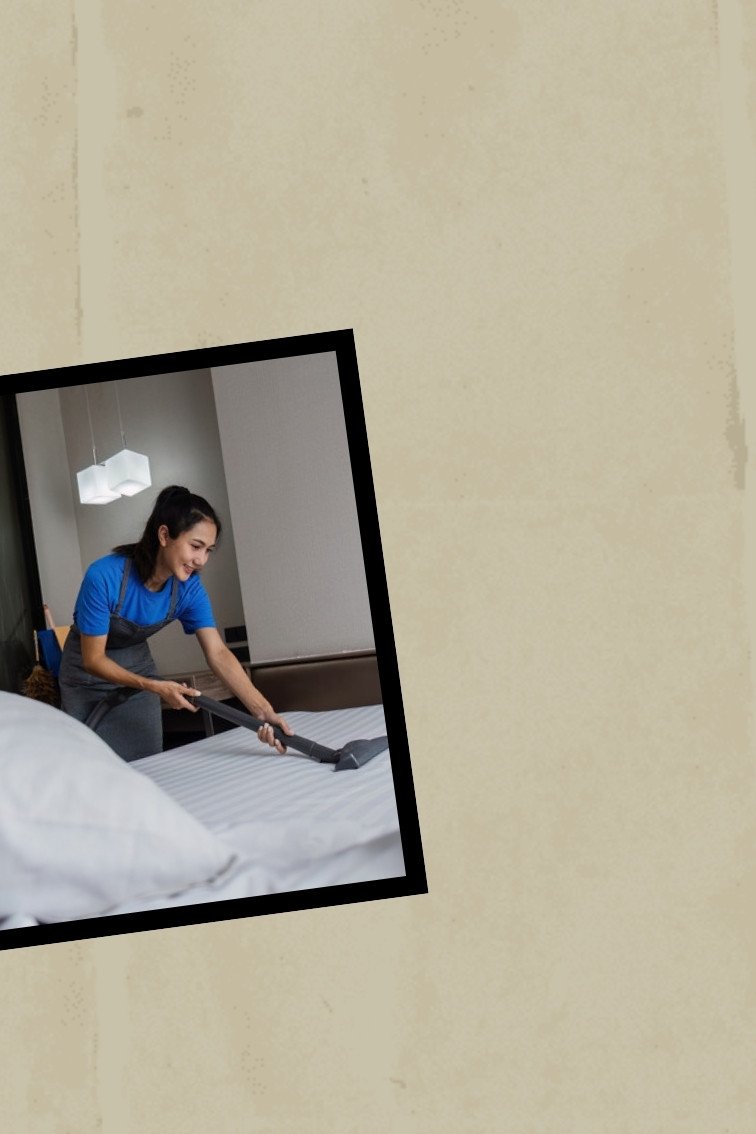
Bedrooms tend to have the highest concentration of dust mites in a home, since mattresses, pillows, and blankets collect skin cells that mites feed on and retain moisture from body heat overnight. That makes the bedroom one of the more effective places to run a dehumidifier for allergy relief specifically, even if the rest of the home stays at a slightly different humidity level. Mattress and pillow covers designed to block dust mite allergens can compound the benefit alongside lower humidity, since they physically prevent mites from colonizing bedding in the first place.
Signs Humidity Is Contributing to Your Allergy Symptoms
- Symptoms are noticeably worse in the morning after a night in bed, which points toward dust mites in bedding.
- Symptoms flare in a specific room, like a basement or bathroom, rather than throughout the entire home.
- You notice a musty smell, visible condensation on windows, or damp spots on walls or carpet.
- Symptoms ease when you spend time in a drier climate or a room with air conditioning running.
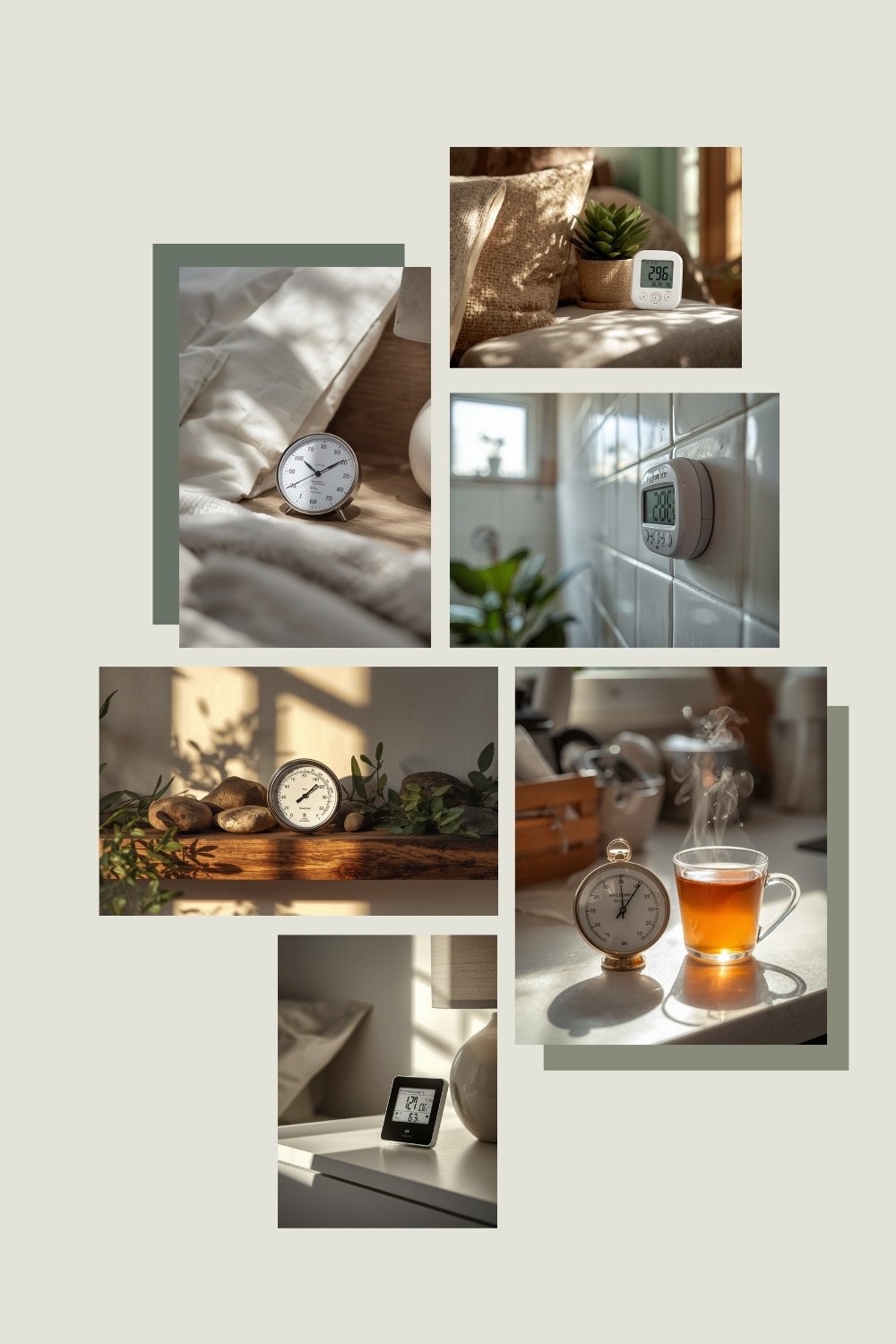
- A hygrometer reading in the affected room consistently shows humidity above 55–60%.
If several of these apply, humidity is a reasonable place to start before assuming allergy symptoms are purely seasonal or pollen-related. Checking an actual hygrometer reading rather than guessing is worth doing first — see our guide to humidity levels by room for what to expect in different parts of a home.
Getting the Best Allergy Relief Setup
- Target 40–50% relative humidity rather than the driest setting possible; air that is too dry can irritate sinuses and skin in its own way.
- Run the dehumidifier in the specific room where allergy symptoms are worst, often a bedroom, since dust mites concentrate in mattresses, pillows, and carpeting.
- Wash bedding weekly in hot water, since a dehumidifier reduces new mite growth but does not remove mites and allergen residue already present in fabric.
- Pair the dehumidifier with a HEPA air purifier if pollen, pet dander, or airborne particles are also part of the allergy picture.
- Check a hygrometer regularly rather than guessing, since humidity varies room to room — see our guide to ideal humidity levels for typical targets.
How Long Before You Notice a Difference
Because dust mite populations decline gradually as humidity stays low rather than dying off immediately, most people report noticing fewer symptoms after several weeks to a few months of consistently maintained low humidity, not within the first few days. Consistency matters more than intensity here: keeping humidity steadily in the 40–50% range produces better results than letting it swing back up between uses.
Frequently Asked Questions
Related reading: Can Mold Grow at 55% Humidity? and What Size Dehumidifier Do You Need? (Room Size Chart).
What humidity level is best for allergies?
Most guidance recommends keeping relative humidity between 40 and 50 percent for allergy relief. That range is low enough to limit dust mite and mold growth while staying comfortable and not so dry that it irritates sinuses and skin.
Does a dehumidifier help with pet allergies?
Not directly. A dehumidifier targets dust mites and mold by removing moisture, but pet dander is a solid particle that floats in air regardless of humidity. A HEPA air purifier is more effective for pet allergen control, though lower humidity can still help overall indoor air quality.
How long does it take to see allergy relief from a dehumidifier?
Most people notice improvement over several weeks to a few months, since dust mite populations decline gradually as humidity stays low rather than dying off immediately. Consistent, steady humidity control produces better results than occasional use.
Should I run a dehumidifier all day for allergies?
Running it enough to consistently maintain 40 to 50 percent relative humidity matters more than running it constantly. Many modern units include a humidistat that cycles the unit on and off automatically to hold a target level without needing to run nonstop.
Can a dehumidifier make allergies worse?
It is unlikely if used to reach a moderate 40 to 50 percent target, but running a unit to make air excessively dry can dry out and irritate nasal passages and skin, which can feel similar to an allergy flare-up in some people.
Bottom Line
A dehumidifier can genuinely help with allergies by drying the air enough to limit dust mite survival and slow new mold growth, though it works gradually rather than instantly and does not address pet dander, pollen, or existing mold colonies on its own. Target 40–50% relative humidity, focus extra effort on the bedroom, and pair it with regular cleaning and, if needed, a HEPA air purifier for the most complete allergy relief setup.