
Yes — a humidifier can make you sick, but almost always because of neglect, not the device itself. The unit doesn’t cause illness; the standing water inside its tank does. Left untouched for a couple of days, that water can grow mold and bacteria, which the humidifier then sprays directly into the air you breathe. Hard tap water adds a second risk: a fine mineral “white dust” that can settle in the lungs. In rare cases, long-term exposure to heavily contaminated mist has even been linked to an inflammatory lung condition doctors call “humidifier lung.” None of this means you should unplug your humidifier for good — it means cleaning it correctly matters as much as owning one.
Can a Humidifier Make You Sick? The Three Real Risks
According to the U.S. Environmental Protection Agency, microorganisms readily grow in humidifiers that hold standing water, and ultrasonic and impeller models disperse whatever is living in that tank straight into the room. In practice, that’s three distinct hazards.
- Mold and bacteria that colonize the tank, filter, or base and get released as fine mist
- Mineral “white dust” from hard tap water that becomes airborne and can irritate the airways
- Humidifier lung, a rare hypersensitivity reaction to heavily contaminated vapor
People run humidifiers because dry indoor air causes its own problems — cracked skin, irritated sinuses, and worse cold and flu symptoms, as covered in our guide to the signs your home has low humidity. A humidifier used and maintained correctly solves that problem without creating a new one.
Mold and Bacteria Growth Inside the Tank
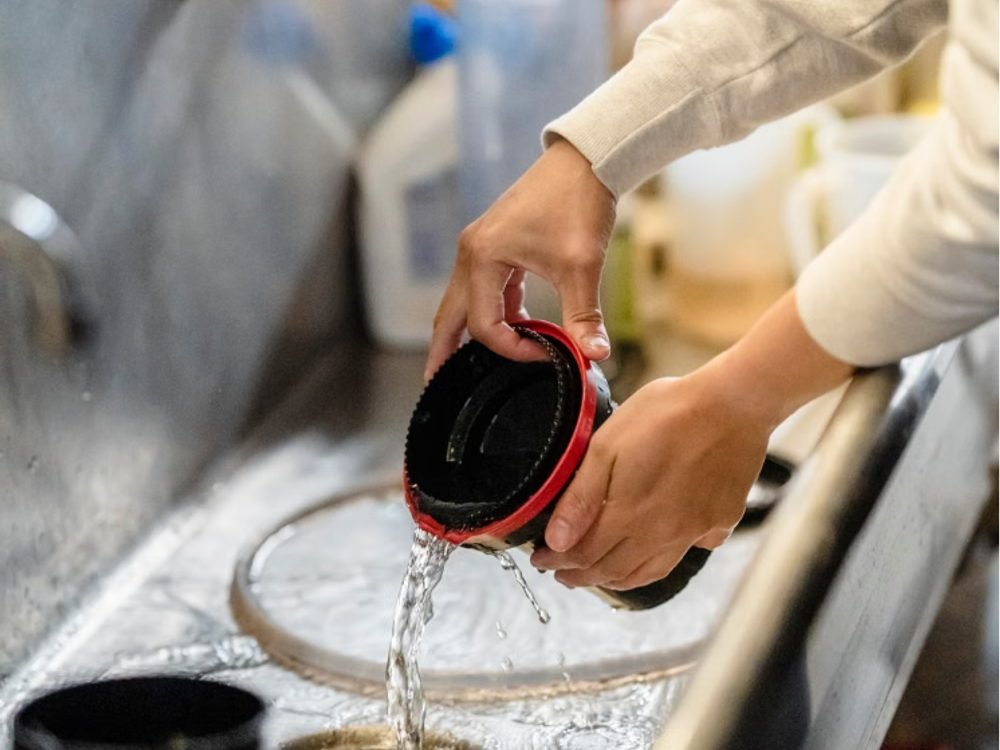
Warm, still water is exactly what mold and bacteria need to multiply. The CDC notes plainly that “germs can live in humidifiers and spread through the mist humidifiers make,” and flags portable units as needing daily attention. Bacteria such as Legionella, which causes a serious form of pneumonia, can also colonize appliances that aren’t emptied and dried regularly. The fix: empty the tank daily and follow a real cleaning schedule instead of rinsing occasionally. We break down what that schedule looks like in how often you should clean your humidifier.
Humidifier White Dust: Is It Dangerous to Breathe?
If you’ve noticed a chalky film settling on furniture near your humidifier, that’s mineral dust — calcium and magnesium from tap water sprayed into the air with the mist. The EPA recommends distilled water because “distillation is the most effective method for removing minerals from water.” Breathing large amounts of this dust over time can irritate the lungs, particularly for people with asthma. We cover the full cause-and-fix in humidifier white dust: what causes it and how to stop it.
Humidifier Lung: A Rare but Documented Condition
This is the risk people ask about most and understand least. “Humidifier lung” is a form of hypersensitivity pneumonitis — an allergic lung inflammation — triggered by inhaling bacteria, endotoxins, or fungal compounds built up in humidifier water and vapor. A case report published via the National Institutes of Health’s PMC archive documented a patient who developed fever, persistent cough, and breathing difficulty after roughly three months of using an uncleaned ultrasonic humidifier; symptoms improved once it was removed. It’s rare and generally requires sustained exposure to heavily contaminated mist — but it’s a strong argument for treating cleaning as non-negotiable.
Does It Matter If You Use Cool Mist or Warm Mist?
Somewhat. Warm-mist (steam) humidifiers boil water before releasing it, killing most microorganisms — but the reservoir can still grow biofilm if it sits unused, and steam poses a burn risk around kids and pets. Cool-mist humidifiers don’t heat the water, so anything living in the tank goes straight into the air unless cleaned on schedule. Neither style is inherently “safer” once you factor in real-world habits; the deciding factor is how diligent you’ll actually be. Our full comparison, cool mist vs. warm mist humidifier: which is better?, walks through the tradeoffs.
What About Essential Oils and Other Additives?
Adding anything beyond water — essential oils or other additives — introduces its own complications, from clogged ultrasonic plates to residue that’s harder to clean and can support microbial growth. Before adding fragrance to your humidifier, read can you put essential oils in a humidifier?, since the answer depends on the type of unit you own.
How to Use a Humidifier Without Getting Sick
The EPA’s and CDC’s guidance line up almost exactly. Following these habits removes nearly all of the risk described above:
- Empty the tank, wipe it dry, and refill with fresh water daily — don’t top off old water
- Deep-clean the tank, base, and filter at least every three days, scrubbing away scale or film
- Disinfect periodically with a diluted hydrogen peroxide solution and rinse thoroughly
- Use distilled or demineralized water instead of tap water to cut mineral dust and scale
- Keep indoor relative humidity within the ideal 30-50% range — the EPA recommends not exceeding 50% during humidifier use, and levels sustained above 60% sharply raise mold risk
- Let all parts air-dry completely before storing between seasons
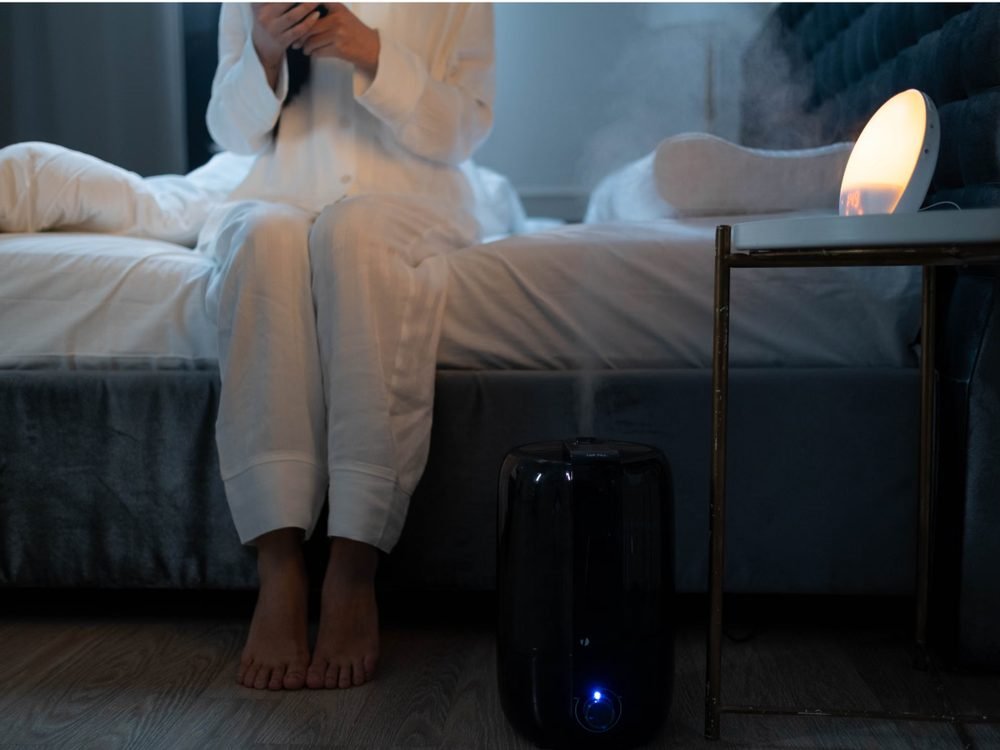
Placement and sizing matter too — an oversized unit, or one in a poorly ventilated spot, pushes humidity higher than intended and creates the damp conditions germs need. If you’re setting up a humidifier for the first time, our guide on how to choose the right humidifier for your bedroom covers sizing and placement so you’re not fighting excess moisture from day one.
Frequently Asked Questions
Can a dirty humidifier actually make you sick?
Yes. A humidifier that isn’t emptied and cleaned regularly can grow mold and bacteria in its standing water, and the mist then carries those microorganisms into the air you breathe, which can trigger respiratory irritation in some cases.
What are the symptoms of humidifier sickness?
Common symptoms include coughing, sore throat, nasal congestion, headache, and flu-like fatigue. In rare cases of heavy, prolonged exposure to contaminated mist, people have developed a lung inflammation called hypersensitivity pneumonitis, sometimes called “humidifier lung,” with fever and breathing difficulty.
Is white dust from a humidifier harmful?
White dust is mineral residue from tap water, mainly calcium and magnesium, that becomes airborne along with the mist. It isn’t toxic, but breathing large amounts over time can irritate the lungs, especially for people with asthma or other respiratory sensitivities. Using distilled water largely prevents it.
How often should you clean a humidifier to avoid getting sick?
Empty and dry the tank daily, and do a full clean of the tank, base, and filter at least every three days. Disinfect periodically with a diluted hydrogen peroxide solution and let all parts dry completely before the next use.