
Humidity affects your skin and hair more than almost any other environmental factor in your home — often more than the products you put on them. Too little moisture in the air and your skin cracks while your hair turns staticky; too much and you’re dealing with breakouts and frizz. The fix isn’t a new routine, it’s the air itself.
This guide covers exactly what low and high humidity do to skin and hair, and where the actual sweet spot is. For the full picture on home humidity targets, see our ideal humidity level guide.
Low Humidity and Dry, Cracked Skin
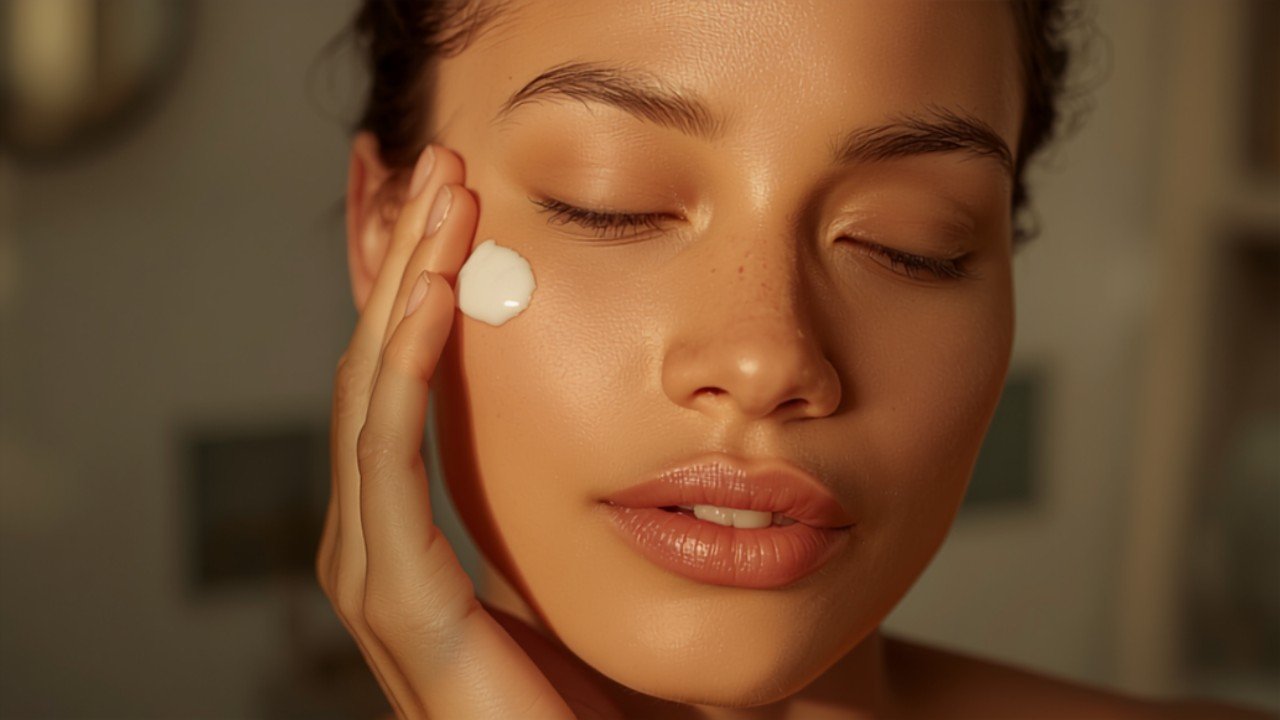
Dry air pulls moisture out of your skin through a process called transepidermal water loss — the same way a towel dries faster in dry air than humid air. Indoor heating makes this worse in winter: cold outdoor air already holds little moisture, and heating it further drops the relative humidity, sometimes into the teens. A peer-reviewed study on winter indoor environments found that low humidity combined with low temperature measurably weakens skin barrier function, making skin more prone to irritation, cracking, and flare-ups of conditions like eczema.
You’ll notice it first in the driest areas: hands, lips, and any skin that’s already thin or frequently washed — the same spots the Cleveland Clinic lists as most prone to dry skin. Moisturizer helps, but it’s treating the symptom — the air itself is what’s drawing the moisture out in the first place. The American Academy of Dermatology recommends addressing the cause directly by running a humidifier alongside your regular moisturizing routine.
High Humidity and Skin
On the other end, high humidity keeps sweat from evaporating off your skin efficiently, which can leave pores clogged with a mix of sweat, oil, and bacteria — a common trigger for breakouts and heat rash. Humid air also makes skin feel oilier throughout the day, since your skin produces sebum partly to compensate for whatever moisture balance it’s sensing, and excess ambient humidity can throw that signal off.
The Ideal Humidity Range for Skin
Skin and building-science guidance point to the same target: roughly 30-50% relative humidity keeps skin’s moisture barrier intact without tipping into the breakout-prone territory of very high humidity, and Mayo Clinic lists that same 30-50% range as the ideal indoor humidity level — so there’s no need for a separate “skin humidity” target; keeping your home in the standard comfortable range covers both. If you’re not sure where your home currently sits, our is 40% humidity too low guide and is 60% humidity too high guide cover both edges of that range.
Low Humidity and Hair: Static and Brittleness
Hair strands rely on a small amount of internal moisture to conduct away static electrical charge. When humidity drops — commonly below 30%, which is typical on dry winter days — that moisture isn’t replenished from the air, hair becomes a poorer conductor, and electrical charge builds up instead of dissipating. That’s what produces staticky, fly-away strands that stand up or cling to everything. Dry air also leaves hair more brittle and prone to breakage, since the same moisture that fights static also keeps the hair shaft flexible.
High Humidity and Hair: Frizz and Swelling
Hair is porous, and in humid air it absorbs excess moisture from its surroundings. That moisture swells the hair cuticle and disrupts the hydrogen bonds holding your style in place — which is why straight hair goes wavy, wavy hair curls, and curly hair tightens into coils as humidity climbs. Relative humidity above roughly 50% is usually enough to trigger noticeable frizz, and hair that’s already porous, damaged, or color-treated tends to absorb moisture even faster and frizz more dramatically.
How to Protect Your Skin and Hair Indoors
- Keep indoor relative humidity in the 30-50% range year-round — a hygrometer makes this easy to track rather than guess
- Run a humidifier in dry winter months, especially in bedrooms where dry air overnight worsens both skin and hair overnight
- Use a dehumidifier or exhaust fans in humid, sticky seasons to reduce breakouts and frizz
- Switch to a heavier, cream-based moisturizer when indoor humidity drops, rather than relying on a lightweight lotion year-round
- Apply an anti-humectant styling product on humid days if frizz is a persistent issue — it blocks hair from absorbing as much ambient moisture
Bottom Line
Humidity affects your skin and hair at both extremes: too low and you get cracking, static, and brittleness; too high and you get breakouts and frizz. Keeping indoor humidity in the 30-50% range addresses both problems at once, which is usually a more effective fix than changing your skincare or haircare routine alone.
Related reading: Best Humidity Level for a Baby’s Nursery and Why Does Condensation Form on Windows?.
What humidity level is best for skin and hair?
Roughly 30-50% relative humidity works well for both. It’s high enough to prevent the dryness, cracking, and static caused by low humidity, but low enough to avoid the breakouts and frizz that come with excess humidity.
Why does my skin get dry in winter even with lotion?
Because low indoor humidity keeps pulling moisture out of your skin faster than a topical moisturizer can replace it. Running a humidifier addresses the root cause, while lotion only treats the surface symptom.
Why is my hair so staticky in winter?
Cold winter air holds very little moisture, and indoor heating lowers it further, often below 30% relative humidity. Hair needs a small amount of internal moisture to conduct away electrical charge; without it, static builds up instead of dissipating.
Does high humidity cause acne?
It can contribute to it. High humidity slows sweat evaporation, which can leave pores clogged with sweat, oil, and bacteria, a common trigger for breakouts and heat rash in humid climates or seasons.
Will a humidifier help with frizzy hair?
It depends on the cause. A humidifier helps if your hair is brittle and staticky from air that’s too dry. If your frizz happens in already-humid conditions, a humidifier won’t help and may make it worse; an anti-humectant product is more effective in that case.