
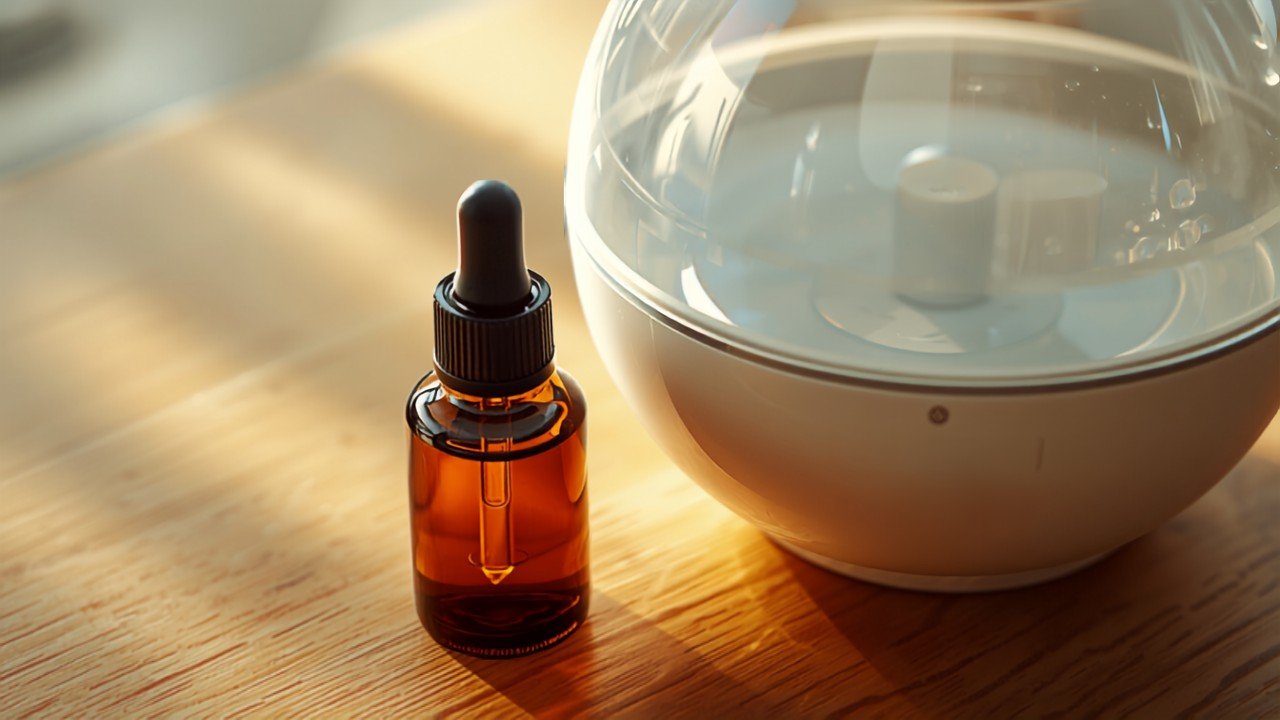
Can you put essential oils in a humidifier? For most standard humidifiers, the honest answer is no — not safely, and not without risking damage to the unit. Essential oils and humidifiers are built for different jobs, and mixing them is one of the most common ways people accidentally void a warranty or wreck an otherwise good machine.
Why Humidifiers Aren’t Built for Oils
Most humidifiers, especially ultrasonic models, work by vibrating a small ceramic or metal disc at high frequency to break water into a fine mist. That disc and the surrounding components are engineered around plain water, not oil. Essential oils are hydrophobic, meaning they don’t mix with water, so instead of vaporizing evenly they tend to sit on top of the water or coat internal surfaces directly.
What Actually Happens to the Machine
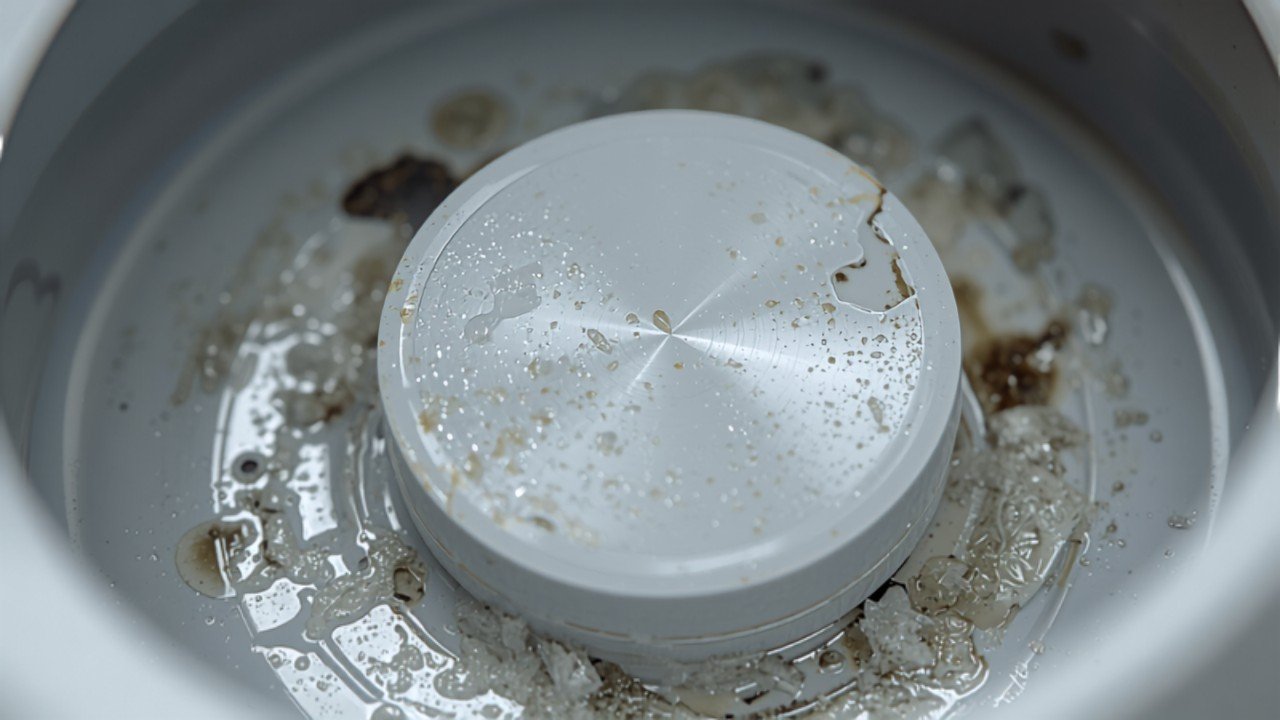
- Oil residue builds up on the ultrasonic plate, reducing vibration efficiency and weakening mist output over time.
- Undiluted oils, especially citrus varieties high in d-limonene, can corrode plastic components, leading to cracking or discoloration.
- Sticky oil residue inside the tank creates a surface that’s harder to clean and more hospitable to bacteria and mold.
- Clogged mist outlets and vents from oil buildup can reduce airflow and humidifying performance permanently.
None of this necessarily happens after a single use, which is part of why the practice persists — the damage is cumulative and often isn’t obvious until output has already dropped noticeably.
What Manufacturers Actually Say
Check almost any standard humidifier’s user manual and you’ll find an explicit warning against adding essential oils, fragrances, or any additive to the tank. This isn’t manufacturers being overly cautious: it’s a direct reflection of what their engineers see in returned, damaged units, and Consumer Reports’ humidifier testing notes the same pattern across brands. Using essential oils against those instructions typically voids the warranty outright, regardless of whether visible damage has occurred yet.
What Actually Happens to the Machine, in Detail
Ultrasonic humidifiers are the most vulnerable to oil damage because their entire mechanism depends on a precisely tuned vibrating plate creating a fine water mist. Oil molecules don’t vaporize the way water does under ultrasonic vibration; instead they tend to break down into larger, heavier droplets or simply coat the plate’s surface. Over repeated use, that coating dampens the plate’s vibration efficiency, which is why owners who use oils regularly often notice mist output declining well before the unit fully fails. Evaporative humidifiers, which rely on a wick filter and a fan rather than ultrasonic vibration, handle oils somewhat better in the sense that there’s no plate to coat, but the oil still saturates the filter material and can clog it faster than water alone, and the residue left behind is just as prone to breeding bacteria.
Health Considerations, Not Just Equipment Damage
Beyond the machine itself, there’s a health angle worth taking seriously, and allergy and asthma health organizations have flagged concentrated aromatic mist as a potential trigger for sensitive airways — the EPA notes that many diffused aromatic compounds are volatile organic compounds (VOCs) worth managing indoors. Diffusing concentrated, undiluted essential oil mist directly into the air you breathe is a different exposure than the diluted, purpose-built dispersal a proper diffuser provides. Inhaling oil micro-droplets over time can cause respiratory irritation, and in rare but documented cases, has been linked to lipoid pneumonia, a serious lung condition caused by oil particles settling in lung tissue. People with asthma, pregnant women, infants, young children, and pets are generally more sensitive to concentrated aromatic mist and warrant extra caution.
Extra Caution for Pets, Kids, and Sensitive Airways
Cats in particular metabolize certain essential oils poorly, and compounds like tea tree, eucalyptus, and citrus oils can be toxic to them even at low airborne concentrations, since cats lack some of the liver enzymes needed to break these compounds down efficiently, a risk the ASPCA highlights in its guidance on essential oils around pets. Dogs are generally more tolerant but can still experience respiratory irritation or gastrointestinal upset from concentrated diffused oils in an enclosed room. For households with infants, the general pediatric guidance is to avoid direct essential oil exposure altogether in nurseries, since infants’ airways are smaller and more reactive to airborne particulates. If you have pets, infants, or anyone with asthma or chemical sensitivities at home, the safest default is treating any scented-air appliance, whether humidifier or diffuser, as something to research thoroughly before running near them for extended periods.
The Right Tool: Dedicated Diffusers
If the goal is aromatherapy, a dedicated essential oil diffuser is the appropriate tool, not a repurposed humidifier. Diffusers are specifically engineered with oil-resistant reservoirs, pads, or nebulizing chambers that keep concentrated oil away from delicate humidifying components entirely. Some higher-end humidifiers do include a separate aroma tray or oil pad specifically designed to sit apart from the water tank — if your unit has one, that’s the only place oils should go, and even then, always follow the volume the manual recommends.
A Note on “Aromatherapy” Humidifiers Marketed Online
Plenty of humidifiers sold online are marketed with names like “aromatherapy humidifier” or come bundled with a set of essential oil samples, which understandably creates confusion about whether oils are actually safe to use in them. In many cases, these units only have a small aroma pad or diffuser box built into the lid, physically separate from the ultrasonic plate and main water reservoir, and the oils are meant to go only in that separate compartment, never mixed into the tank water itself. Marketing copy doesn’t always make this distinction clear, so it’s worth opening the box and checking the actual physical layout of the unit, or searching the specific model number plus “essential oil” before assuming the whole tank is oil-safe just because the packaging shows a bottle of lavender oil next to it.
Common Mistakes People Make
- Adding oil directly to the water tank because a recipe or influencer video suggested it, without checking the manual first.
- Assuming that because a humidifier has a “fragrance” or “aroma” setting on the display, it’s safe for actual essential oils rather than pre-made water-soluble fragrance packets.
- Using undiluted, high-concentration citrus oils, which are among the most corrosive to plastic components.
- Continuing to use the same tank for oils and later for plain water without a thorough cleaning, letting residue carry over.
- Ignoring a drop in mist output as “normal wear” when it’s actually oil buildup on the ultrasonic plate.
How to Tell if Your Humidifier Allows Oils
- Check the user manual or manufacturer’s product page for any mention of essential oils, fragrance additives, or an aroma tray.
- Look for a separate, clearly labeled oil compartment distinct from the main water tank.
- If there’s no explicit mention anywhere, assume it’s not designed for oil use and treat it as a plain humidifier only.
- When in doubt, contact the manufacturer directly rather than assuming based on similar-looking models.
If you’ve already been using essential oils in a standard humidifier and haven’t noticed problems, it’s still worth switching to a dedicated diffuser going forward and giving the tank a thorough vinegar clean to clear out any residue before it accumulates further. Catching this early is far cheaper than replacing a humidifier that’s failed prematurely, and it removes an ongoing source of residue that can affect both performance and indoor air quality.
What to Use Instead if You Want a Scented Room
Reed diffusers, wax melts, and standalone ultrasonic aroma diffusers all accomplish the scent goal without putting your humidifier’s internals at risk. Keeping the humidifier doing one job — regulating moisture, ideally within the 30-50% ideal humidity range — and handling scent separately avoids the tradeoff entirely. This separation matters especially in bedrooms, where both sleep-optimized humidity levels and air quality both affect comfort, and in rooms tracked by room-specific humidity targets where a malfunctioning humidifier throws off the whole balance.
Related reading: Humidifier Making Noise? Common Causes and Fixes and How Long Should You Run a Humidifier Each Day?.
Will a few drops of essential oil really damage my humidifier?
It can, especially with ultrasonic models. Even small amounts of oil residue coat the vibrating plate over repeated uses, and that buildup gradually reduces mist output and can shorten the unit’s lifespan, even if a single use doesn’t cause obvious damage.
Does using essential oils in a humidifier void the warranty?
In most cases, yes. The vast majority of manufacturer manuals explicitly state that essential oils are not approved for use in the tank, and using them anyway typically voids the warranty, whether or not visible damage has occurred.
Is it safe to breathe in diffused essential oils?
In small, appropriately diluted amounts from a dedicated diffuser, most healthy adults tolerate it fine, though people with asthma, pregnant women, young children, and pets can be more sensitive. Inhaling concentrated, undiluted oil mist over time carries more risk, including irritation and rare but serious lung complications.
What’s the difference between a diffuser and a humidifier?
A diffuser is specifically engineered to disperse essential oils, often using a separate reservoir or pad that keeps oil away from delicate internal components. A humidifier is built purely to add moisture to the air and typically has no oil-resistant parts, which is why manufacturers warn against mixing the two functions.
Can I use essential oils with a warm-mist humidifier instead?
Warm-mist and steam vaporizers are generally more tolerant of oils than ultrasonic models since there’s no delicate transducer plate to coat, but manufacturer guidance still varies by model. Check your specific unit’s manual, and when in doubt, use a dedicated diffuser instead.
Bottom Line
Can you put essential oils in a humidifier? Only if the manufacturer explicitly designed it for that purpose with a dedicated oil tray or compartment. For every other standard humidifier, adding oils risks damaging internal components, voiding the warranty, and creating a less healthy breathing environment than intended. If aromatherapy is the goal, a proper essential oil diffuser is the safer, purpose-built choice.