
To read a hygrometer correctly takes more than glancing at the number: where you place it, how long you wait for the reading to settle, and how recently it was calibrated all affect whether that number reflects the actual humidity in your room. A hygrometer that has never been checked against a known reference can be off by 5-10 percentage points or more, which is enough to make a room seem comfortably humid when it is actually too dry or too damp.
Digital vs. Analog Readings
Digital hygrometers display a number directly and are generally easier to read at a glance, though the sensor inside still needs periodic calibration to stay accurate over time. Analog hygrometers use a coil or hair-based mechanism that physically expands and contracts with humidity, moving a needle across a printed scale; they tend to drift out of calibration faster than digital sensors and benefit from being checked more often. Either type can be accurate if properly calibrated and placed, so the choice matters less than the maintenance.
Where to Place a Hygrometer for an Accurate Reading
- Keep it away from direct sunlight, since heat from the sun skews the reading toward drier than the room actually is.
- Avoid placing it right next to a humidifier, dehumidifier, air vent, exterior door, or window, since air movement and drafts in those spots do not represent the room as a whole.
- Position it at roughly chest or head height rather than on the floor, since humidity can vary noticeably between floor level and higher up in a room.
- Give it a few feet of clearance from any single wall, especially an exterior wall, which tends to run cooler and slightly more humid than the center of a room.
- Wait several minutes after moving it to a new spot before trusting the reading, since the sensor needs time to adjust to the new environment.
Common Reading Mistakes to Avoid
- Checking the reading immediately after moving the hygrometer, before it has had time to adjust to the new spot.
- Placing it in a bathroom right after a hot shower, which produces a temporary spike that does not reflect normal conditions.
- Assuming a single reading in one room applies to the whole house, when humidity commonly varies by 5-15 percentage points between rooms.
- Using tap water instead of distilled water for the salt or humidification testing, since minerals in tap water can coat sensitive sensor components over time and affect long-term accuracy.
- Ignoring a hygrometer that has never been calibrated, especially an inexpensive one included with a humidifier or dehumidifier as a bundled accessory.
Small, consistent habits like these matter more for accuracy than buying an expensive hygrometer, since even a premium sensor will drift if it is never checked. For general targets once your reading is reliable, see our guide to the ideal humidity level for homes.
How Often to Calibrate
A reasonable schedule for most households is checking calibration every six to twelve months, similar to changing batteries in a smoke detector. Hygrometers used in more demanding settings, like a cigar humidor, a wine cellar, or a room with big seasonal temperature swings, benefit from calibration checks every three months instead. Dust buildup, direct sunlight exposure, and age all speed up how quickly a hygrometer drifts out of calibration, according to guidance from Fluke Calibration, so cleaning dust off the unit before testing it is worth doing every time.
A Faster Alternative: The Ice Water Test
If you want a quicker sanity check rather than a full 24-hour calibration, fill a glass with ice and a small amount of water, then set your hygrometer near the glass without letting it touch the ice or get wet. After three to five minutes, the reading should settle at approximately 95% relative humidity, since the cold surface of the glass creates near-saturated air right around it. This will not let you adjust the calibration screw the way the salt test does, but it is a fast way to spot a hygrometer that is wildly off. Cigar and humidor enthusiasts have long relied on both tests, and Holt’s Cigar Company’s calibration guide is a widely cited reference for the exact salt-test measurements and timing.
Why Two Hygrometers in the Same Room Can Disagree
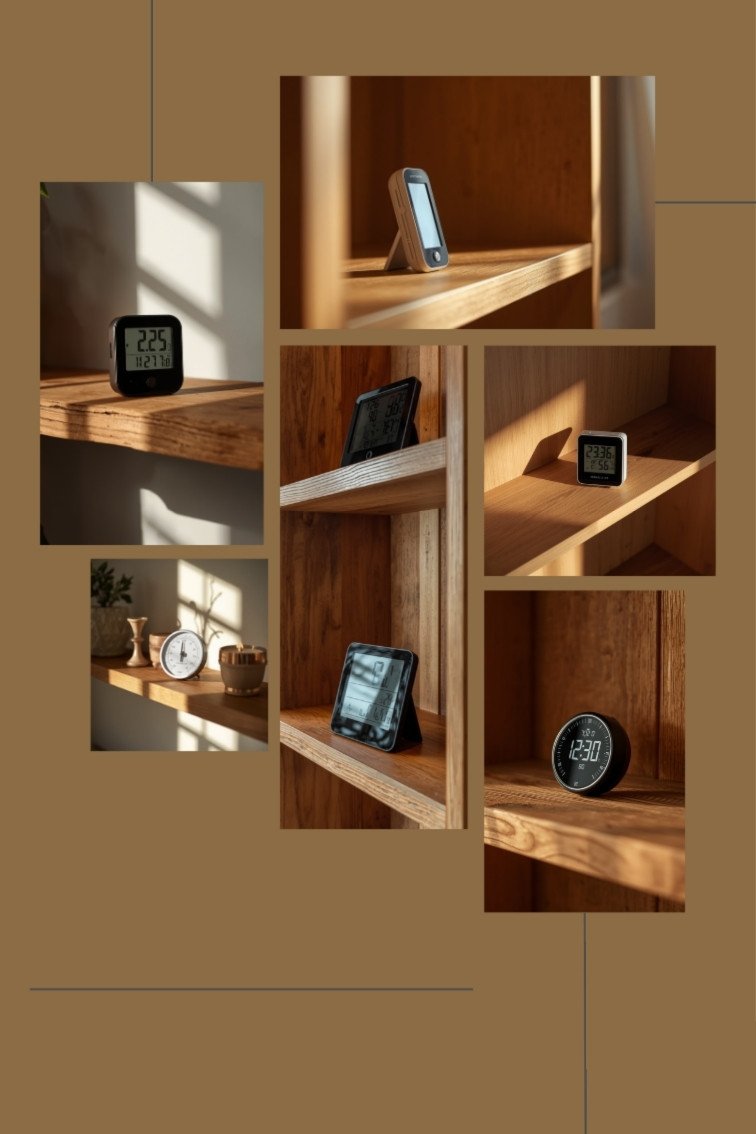
It is common to place two hygrometers in the same room and see readings that differ by several percentage points, which usually comes down to calibration drift rather than either device being defective. Cheaper sensors, older units, and hygrometers that have never been calibrated are the most likely to disagree with a properly calibrated one. If your readings vary from room to room in your house, that is usually real — see our guide to humidity levels by room for what to expect in different parts of a home.
How to Calibrate a Hygrometer: The Salt Test
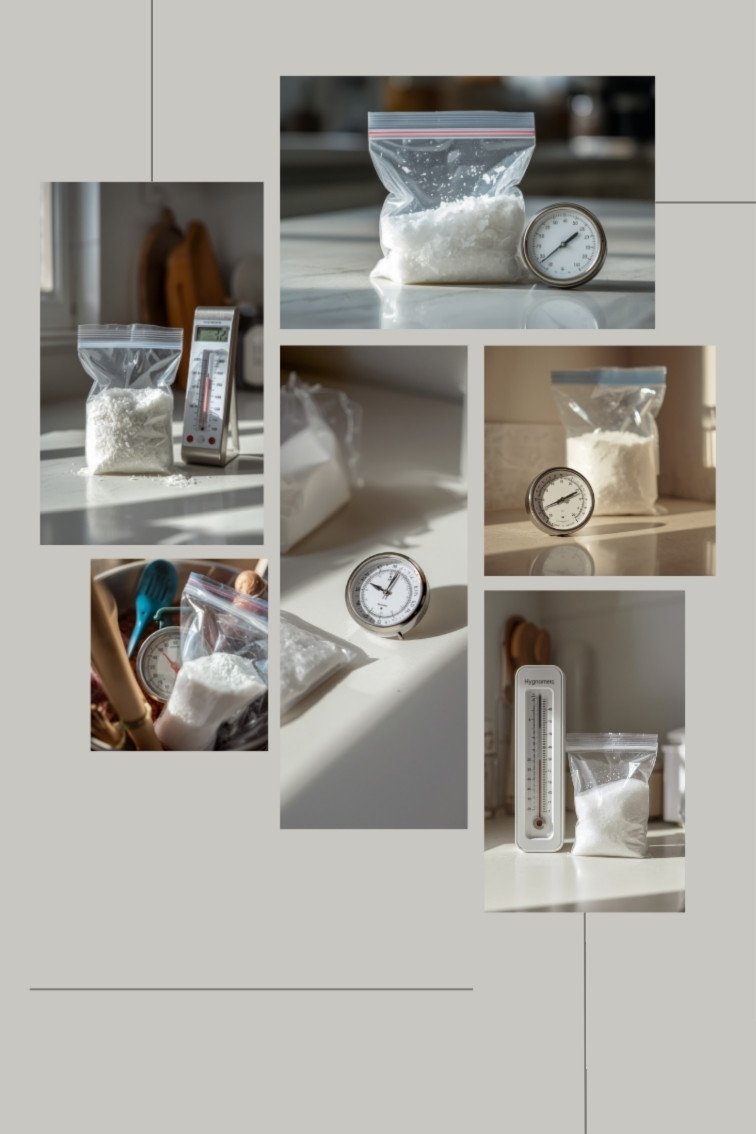
- Mix about a teaspoon of salt with a few drops of water until it looks like wet sand, not a puddle.
- Place the salt mixture in a small open container or bottle cap, then seal both the salt and your hygrometer together inside a zip-top bag, leaving as little air as possible.
- Let it sit undisturbed for 8-24 hours at a stable room temperature.
- A properly functioning hygrometer inside that sealed bag should settle at 75% relative humidity, since the salt-water mixture creates a stable reference environment at that level.
- If your hygrometer shows a different number, note the difference. Digital models often have a small offset or calibration button; analog models typically have a small adjustment screw on the back that lets you reset the needle to 75%.
Frequently Asked Questions
Related reading: Smart Hygrometers vs. Basic Ones: Is the Upgrade Worth It? and Why Does My Hygrometer Show Different Readings in Different Rooms?.
How long should I wait before trusting a hygrometer reading?
Give it at least several minutes after moving it to a new location, and up to 30 minutes in a room with very different temperature or airflow, before trusting the number it displays.
What humidity should a hygrometer show during the salt test?
A properly calibrated hygrometer sealed with a salt-water mixture for 8 to 24 hours should read 75% relative humidity, since that is the stable reference level the salt solution creates.
Why do my two hygrometers show different readings?
This is almost always a calibration difference rather than a defect. Cheaper units and hygrometers that have never been checked against a reference test are the most likely to be inaccurate.
Can I calibrate a digital hygrometer the same way as an analog one?
Yes, the salt test and ice water test work for both types. Digital models often have a calibration button or offset setting, while analog models typically use a small adjustment screw on the back.
Does hygrometer placement really make a big difference?
Yes. Direct sunlight, proximity to vents or humidifiers, and floor-level placement can all shift a reading by several percentage points away from what the room actually reflects.
Bottom Line
Reading a hygrometer correctly comes down to good placement, patience while the reading settles, and periodic calibration using a simple salt test. A hygrometer that has never been checked can be off by enough to give you a false sense of how humid or dry your home actually is, so a quick calibration check every six to twelve months is worth the small effort.