
The best spot to place a hygrometer is a central, eye-level location away from windows, vents, and anything that produces its own heat, cold, or moisture. Put it in the wrong spot and the number on the display can be meaningfully different from what the room actually feels like, which leads to chasing a reading that was never accurate in the first place.
Why Placement Changes the Reading So Much
A hygrometer only measures the air immediately around its sensor, not the room as a whole. If that immediate spot happens to be in a patch of direct sunlight, right next to an air vent, or a few inches from a humidifier’s mist outlet, the reading reflects those local conditions rather than the general humidity level a person standing in the middle of the room would actually experience. Small placement mistakes routinely produce readings that are off by 10 percentage points or more, which is a big enough gap to make you think a room has a humidity problem when it doesn’t, or miss one that’s actually there.
Keep It Out of Direct Sunlight
Sunlight heats the sensor directly, which pushes the temperature reading up and drops the relative humidity reading down, since warmer air can hold more moisture for the same absolute amount of water vapor in the room. A hygrometer sitting in a sunny window for even part of the afternoon will show a lower humidity than the rest of the room actually has. Pick a spot that stays in shade throughout the day, even if that means moving it a few feet from where you’d naturally want to glance at it — a rule consistently recommended across independent hygrometer placement guides.
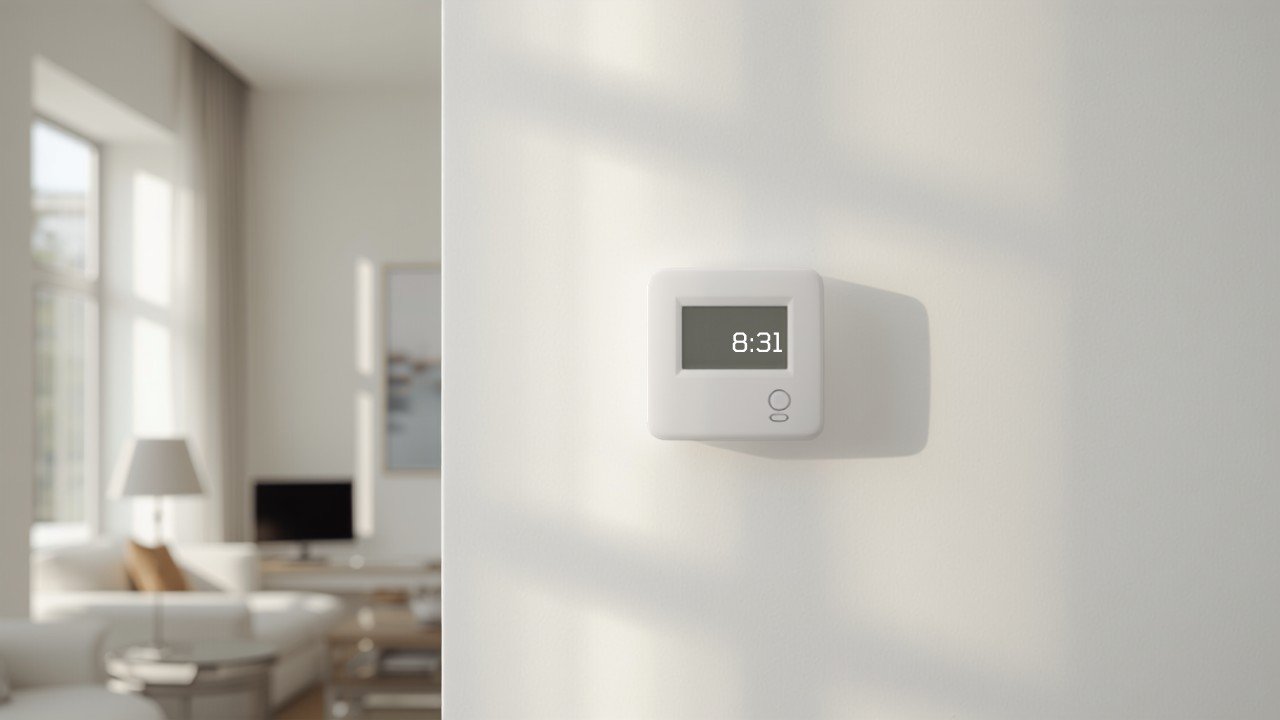
Stay Away From Vents, Radiators, and Fireplaces
Air vents, radiators, and fireplaces all blast air (hot, cold, or dry) directly at anything nearby, which is exactly what you don’t want hitting a hygrometer’s sensor. A general rule of thumb is to keep at least 3 feet of distance from any active vent or duct. This applies to both heating and air conditioning vents — a hygrometer sitting in the direct path of an AC vent will read artificially dry, while one near a heating vent in winter can swing the other way depending on your system’s humidity behavior.
Don’t Place It Right Next to a Humidifier or Dehumidifier
It’s tempting to put a hygrometer right beside the device you’re trying to monitor, but that’s one of the most common placement mistakes. The air immediately around a running humidifier’s mist outlet or a dehumidifier’s intake is far more concentrated than the room’s actual average, so a hygrometer sitting a foot away will show a number that has little to do with what the rest of the room feels like. Place the hygrometer on the opposite side of the room, or at least several feet away, so it’s measuring the space you actually care about.
Aim for Chest-to-Eye Level, Not the Floor or Ceiling
Humidity, like temperature, isn’t perfectly uniform from floor to ceiling. Cooler, often more humid air tends to settle lower in a room, while warmer air rises, which means a hygrometer sitting on the floor or mounted near the ceiling can both give a reading that’s slightly off from what a person standing in the room experiences. Aiming for roughly 4 to 5 feet off the floor — about chest to eye level — puts the sensor in the zone that best represents how the room actually feels day to day.
Skip Kitchens and Bathrooms for Your Baseline Reading
Kitchens and bathrooms both produce large, short-lived humidity spikes from cooking, boiling water, and showering, which makes them poor choices if you’re trying to understand a home’s general humidity level. A hygrometer placed in a bathroom right after a hot shower can show 80% or more, even if the rest of the house sits comfortably in the 40s, and that spike can take a while to settle back down once the door is opened and the room starts exchanging air with the rest of the house. If you specifically want to track how much moisture a shower or a pot of boiling pasta adds to the air, placing a unit there temporarily is useful, but don’t use that reading as a stand-in for your home’s baseline.
Keep Some Distance From Sinks and Water Sources
Beyond the obvious moisture sources like showers, even a nearby sink or standing water can raise the local humidity enough to skew a reading. A general guideline is to keep a hygrometer at least a few feet from any sink, toilet, or open water source, for the same reason you’d avoid placing it next to a running humidifier: it measures whatever air is immediately around it, not the room as a whole.
One Hygrometer Rarely Covers a Whole House
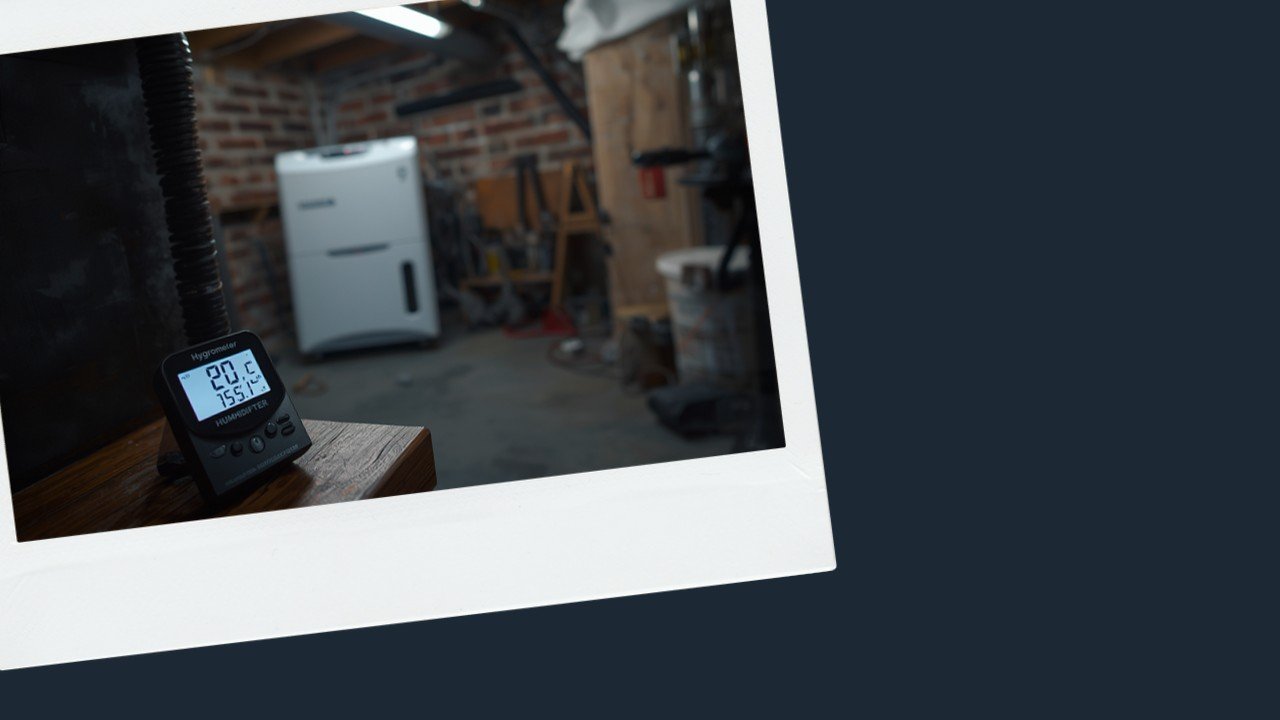
Different rooms in the same house routinely sit at meaningfully different humidity levels at the same time. A basement is often 10-20 percentage points more humid than the main living floor (worth checking against our guide on when humidity is too high), while an attic can swing drier or wetter depending on ventilation and the season. If you’re monitoring more than one area of concern, whether that’s a basement prone to dampness, a nursery, or a whole-house humidifier system, plan on placing a separate hygrometer in each space rather than assuming one central reading applies everywhere.
Quick Placement Checklist
- Central location in the room, roughly 4-5 feet off the floor.
- At least a few feet from any window that gets direct sun.
- At least 3 feet from air vents, radiators, or a fireplace.
- Several feet away from a running humidifier or dehumidifier, not right next to it.
- Not in a kitchen or bathroom if you want a general baseline reading.
- A separate unit for each room or area you actually want to track, rather than one hygrometer for the whole house.
Once you’ve got a hygrometer in a good spot, our humidity levels by room guide breaks down what a normal, healthy reading actually looks like in each part of the house, and our ideal humidity level guide covers the general 30-50% target most homes should aim for.
Common Placement Mistakes
- Mounting it directly on an exterior wall, which tends to run cooler or warmer than the room’s interior air and can skew both temperature and humidity readings.
- Setting it on top of electronics like a TV or a computer, which generate their own heat and dry the immediate air around them.
- Placing it inside a closet or cabinet to keep it out of sight, which traps stagnant, unrepresentative air around the sensor.
- Forgetting about it after the first placement — a spot that made sense for furniture arranged one way can end up next to a new space heater or humidifier after a room gets rearranged.
Smart Sensors Make Multi-Room Monitoring Easier
If you do want to track several rooms at once, connected Wi-Fi or Bluetooth hygrometers have made this far more practical than it used to be, since you can check every room’s reading from one app instead of physically walking to each unit. SwitchBot’s own placement guidance for its connected sensors echoes the same core rules covered here — central location, away from direct sun, and clear of vents — which suggests these placement fundamentals hold regardless of whether the hygrometer is a basic analog dial or a smart connected sensor.
Related reading: How to Read a Hygrometer Correctly, Smart Hygrometers vs. Basic Ones: Is the Upgrade Worth It?, and how to calibrate your hygrometer so it reads accurately in the first place.
How far should a hygrometer be from a window or exterior door?
At least a few feet, and further if the window gets direct sun for part of the day. Sunlight heats the sensor directly and skews the reading toward lower humidity and higher temperature than the room actually has.
Can I place a hygrometer near a humidifier or dehumidifier?
Not right next to it. Placing a hygrometer within a few feet of a running humidifier or dehumidifier reads the concentrated air right at the outlet, not the room’s actual average humidity. Place it several feet away, ideally on the opposite side of the room from the unit.
What height should I mount or place a hygrometer?
Around 4 to 5 feet off the floor, roughly chest to eye level, in the general living area of the room. This avoids the cooler air pooling near the floor and the warmer air that rises toward the ceiling, giving a reading closer to what a person in the room actually experiences.
Is it okay to put a hygrometer in a bathroom or kitchen?
Only if you specifically want to track humidity spikes from showers or cooking. For a general sense of a home’s baseline humidity, kitchens and bathrooms are the two worst rooms to rely on, since brief spikes from cooking and showering don’t reflect the rest of the house.
Do I need more than one hygrometer for a whole house?
Yes, if rooms behave differently, which most homes do. A basement, an attic, and a main living area can each sit at meaningfully different humidity levels at the same time, so one hygrometer in a single room only tells you about that room, not the whole house.
Bottom Line
A hygrometer is only as useful as the spot it’s sitting in. Keep it central, at roughly chest-to-eye height, away from sunlight, vents, water sources, and the humidifier or dehumidifier it’s meant to help you monitor, and use a separate unit for any room or area that behaves differently from the rest of the house. Get the placement right and the number on the display will actually mean something.