
How Does a Dehumidifier Work?
A dehumidifier cools humid air below its dew point on a cold coil, condensing out water vapor, then reheats and returns the drier air — the same refrigeration cycle used in ACs and fridges.


A dehumidifier cools humid air below its dew point on a cold coil, condensing out water vapor, then reheats and returns the drier air — the same refrigeration cycle used in ACs and fridges.

Dehumidifier vs air conditioner: which one actually removes more moisture from the air? The dehumidifier wins by a wide margin — a quality dehumidifier can pull 30-70 pints of water from the air per day, while a typical AC system removes moisture only as a side effect of cooling and usually manages less than two

Does a dehumidifier help with allergies? Yes, mainly by making the air too dry for dust mites and mold to thrive. Dust mites need relative humidity above roughly 50% to survive, and mold needs similar or higher moisture levels to grow, so pulling indoor humidity down into the 40-50% range can meaningfully reduce two of

Learn the physical signs your home has low humidity — dry skin, static, nosebleeds — plus how to confirm it and what to do about it.

Desiccant vs compressor dehumidifier comes down mostly to temperature: compressor models are cheaper to run and remove moisture faster in normal room temperatures above about 60°F, while desiccant models keep working at full strength in cold spaces like unheated basements, garages, and porches where compressor units struggle or freeze up. Neither type is universally “better”

50% relative humidity sits at the top of the range EPA and building scientists call ideal. Here’s when it’s fine, and when it isn’t.

Dehumidifier freezing up usually means frost or a solid sheet of ice has formed on the cooling coils inside the unit, and it happens when airflow across those coils drops, or the room is too cold for the compressor to defrost itself between cycles. The fix is almost always to unplug the unit, let it

The simplest way to drain a dehumidifier continuously is a gravity drain: connect a hose to the unit’s drain port and route it downhill to a floor drain, sump pit, or laundry tub, so water flows out on its own and the internal tank never fills up. If there’s no lower drain point available, a
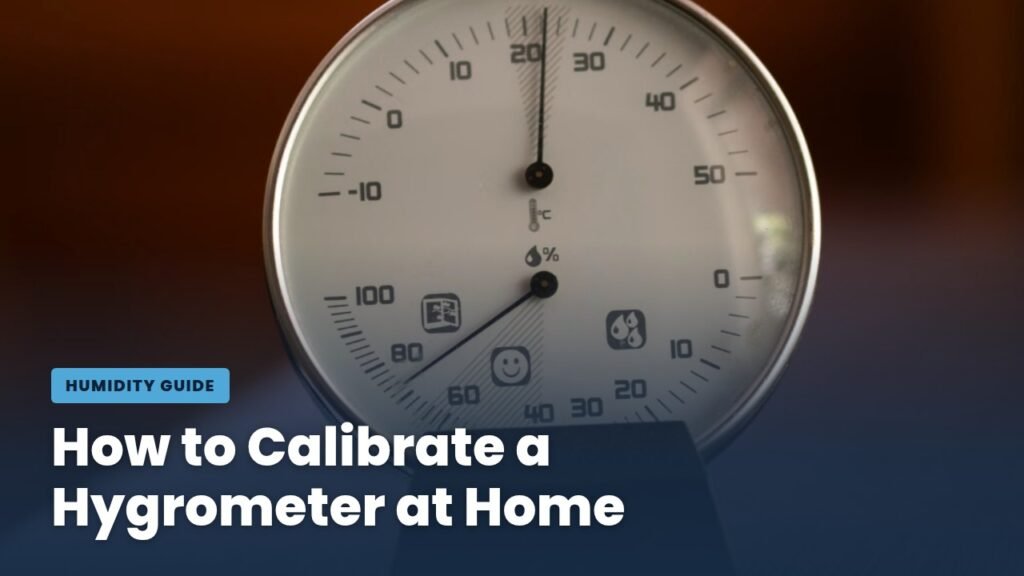
If your hygrometer says 45% but the room feels a lot damper (or drier) than that, the reading might be wrong. Hygrometers drift out of calibration over time, especially the cheap digital ones — and a hygrometer that lies to you is worse than no hygrometer at all, because it gives you false confidence. The

A dehumidifier not collecting water is one of the most common complaints people have about these machines, and the good news is that the cause is usually simple to diagnose. Before assuming the unit is broken, walk through a short list of checks that catch the vast majority of cases, from an obvious settings mistake